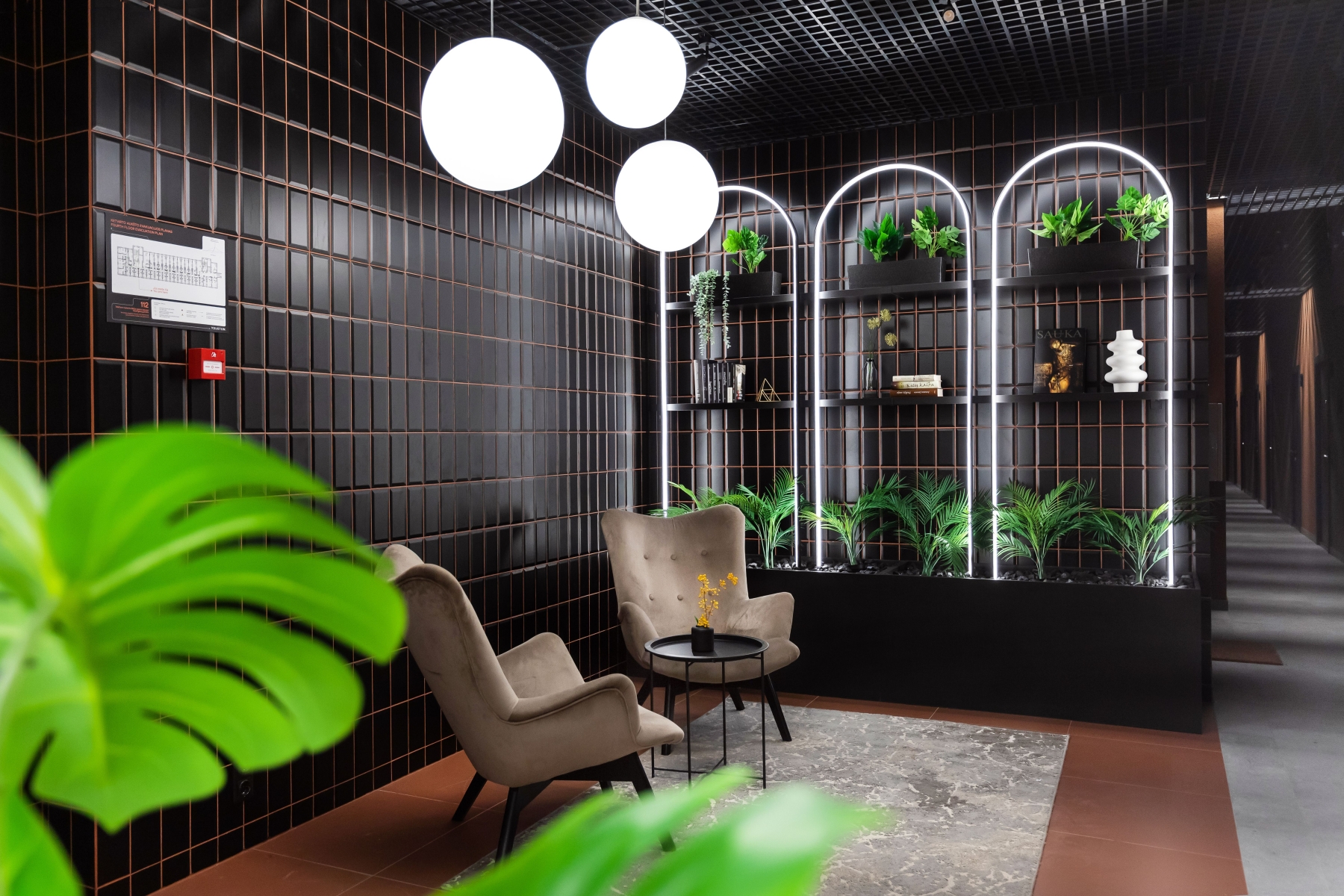
Youston apartments / Smolensko 10

Smolensko str. 10

Youston apartments / Smolensko 10

Smolensko str. 10

Housing for rent, developed for a you who is looking for home without “Make yourself at home, but I'll stop by sometimes to put things away" and similar landlords fuss. We don't create ridiculous conditions, and we don't ask intrusive questions about why you choose rent or who will live with you. Your life is your own business.

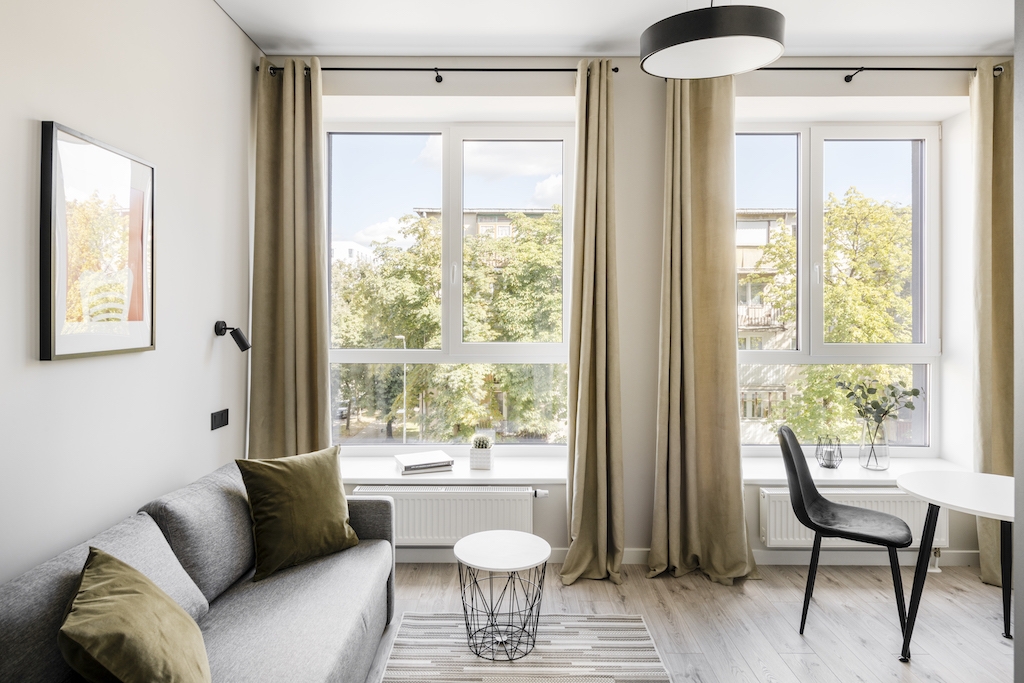
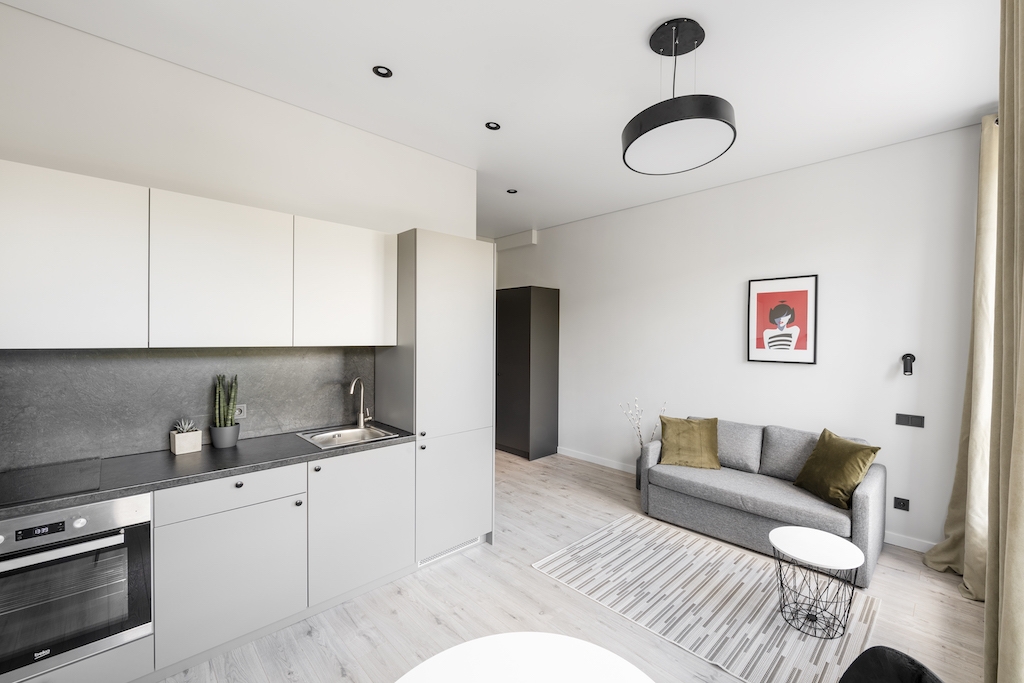
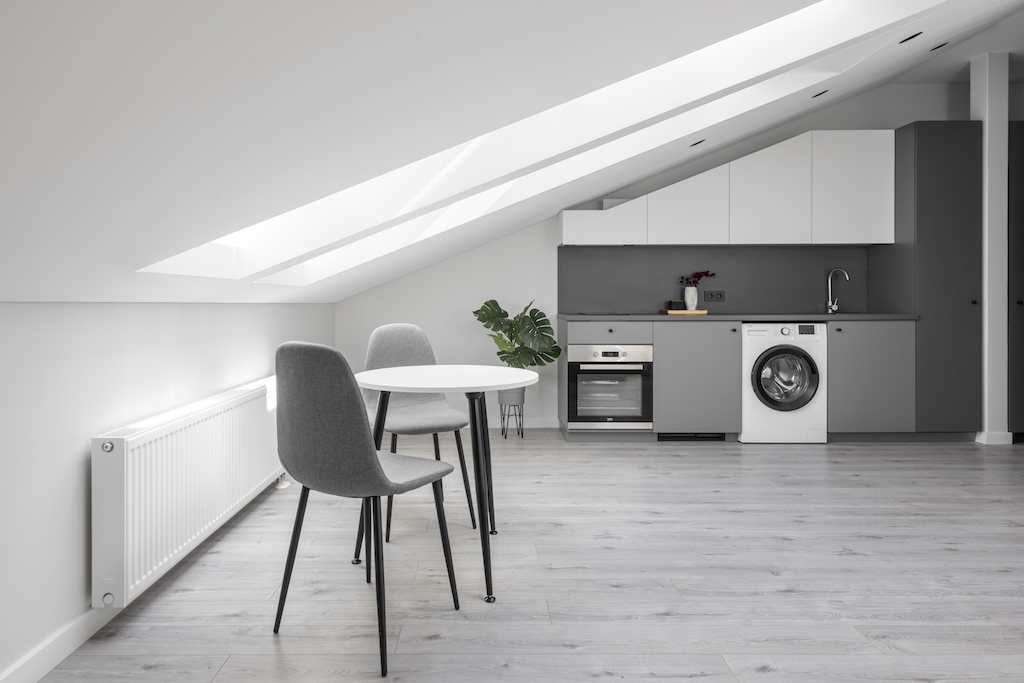
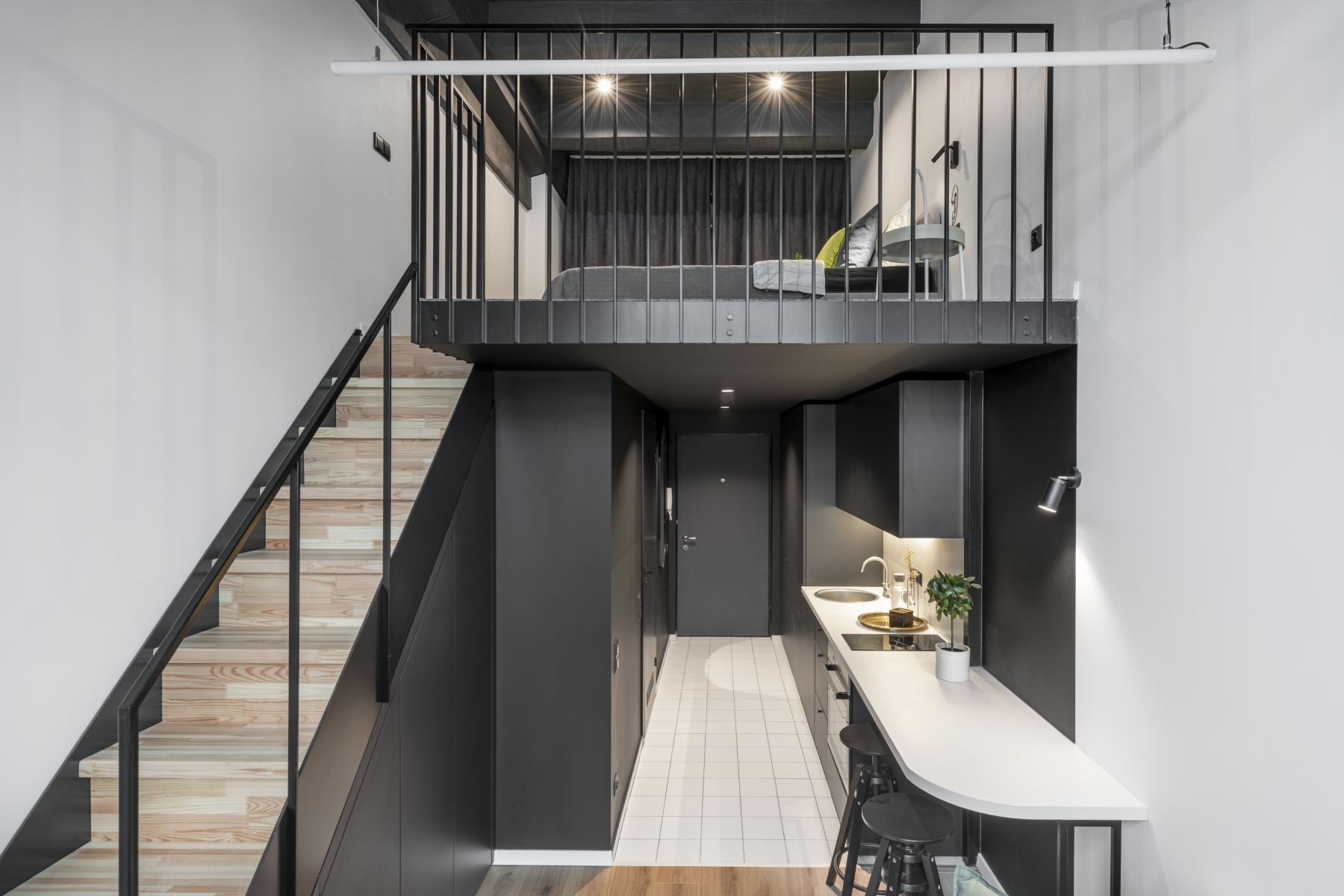
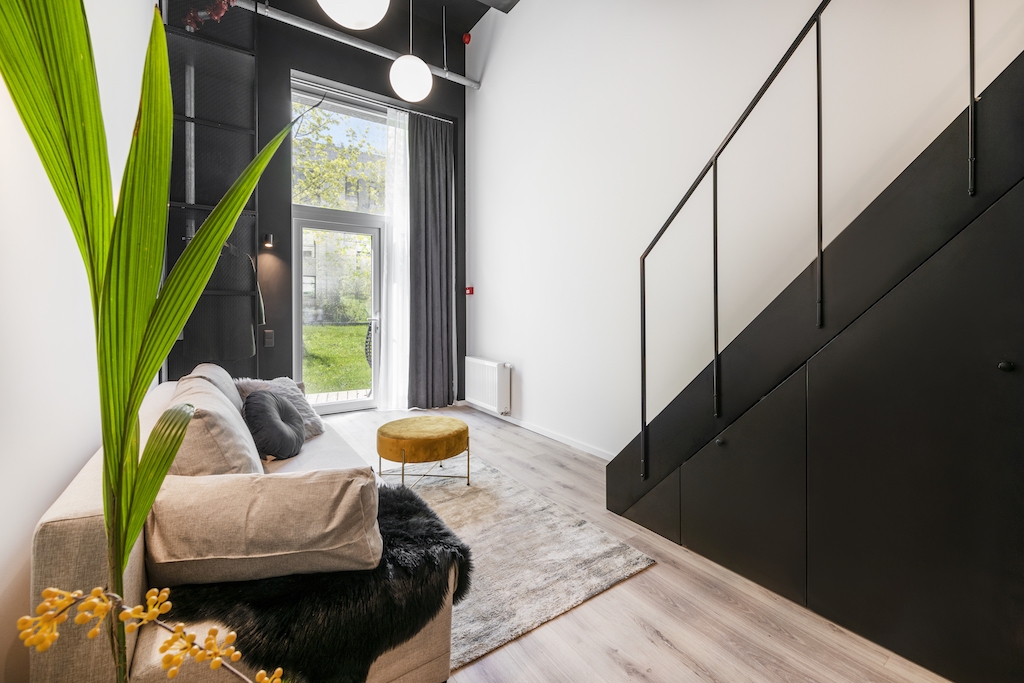
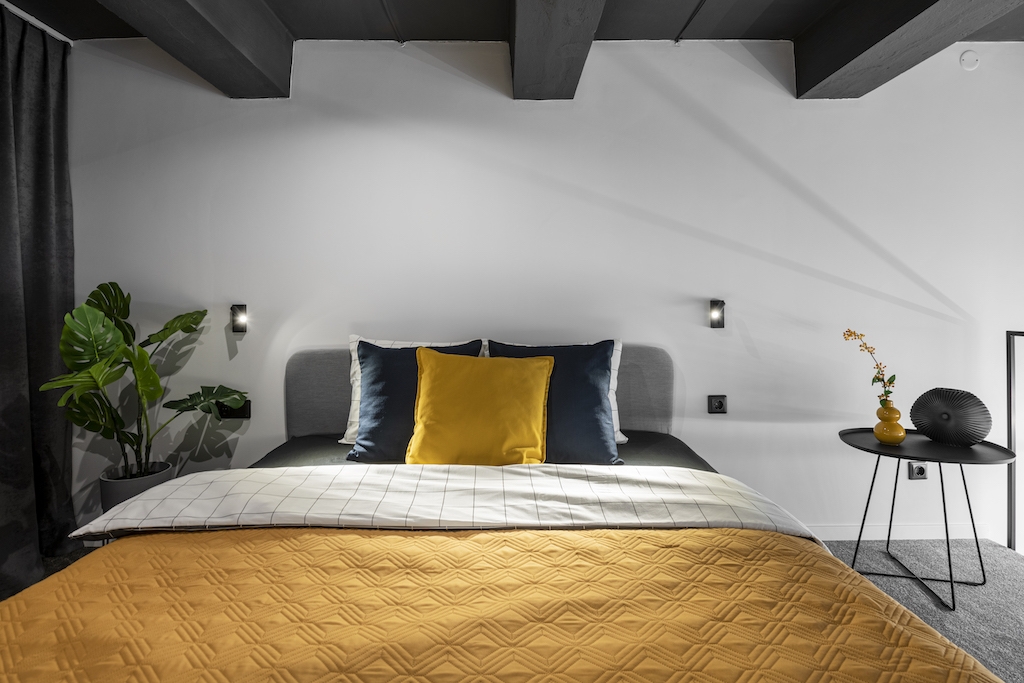
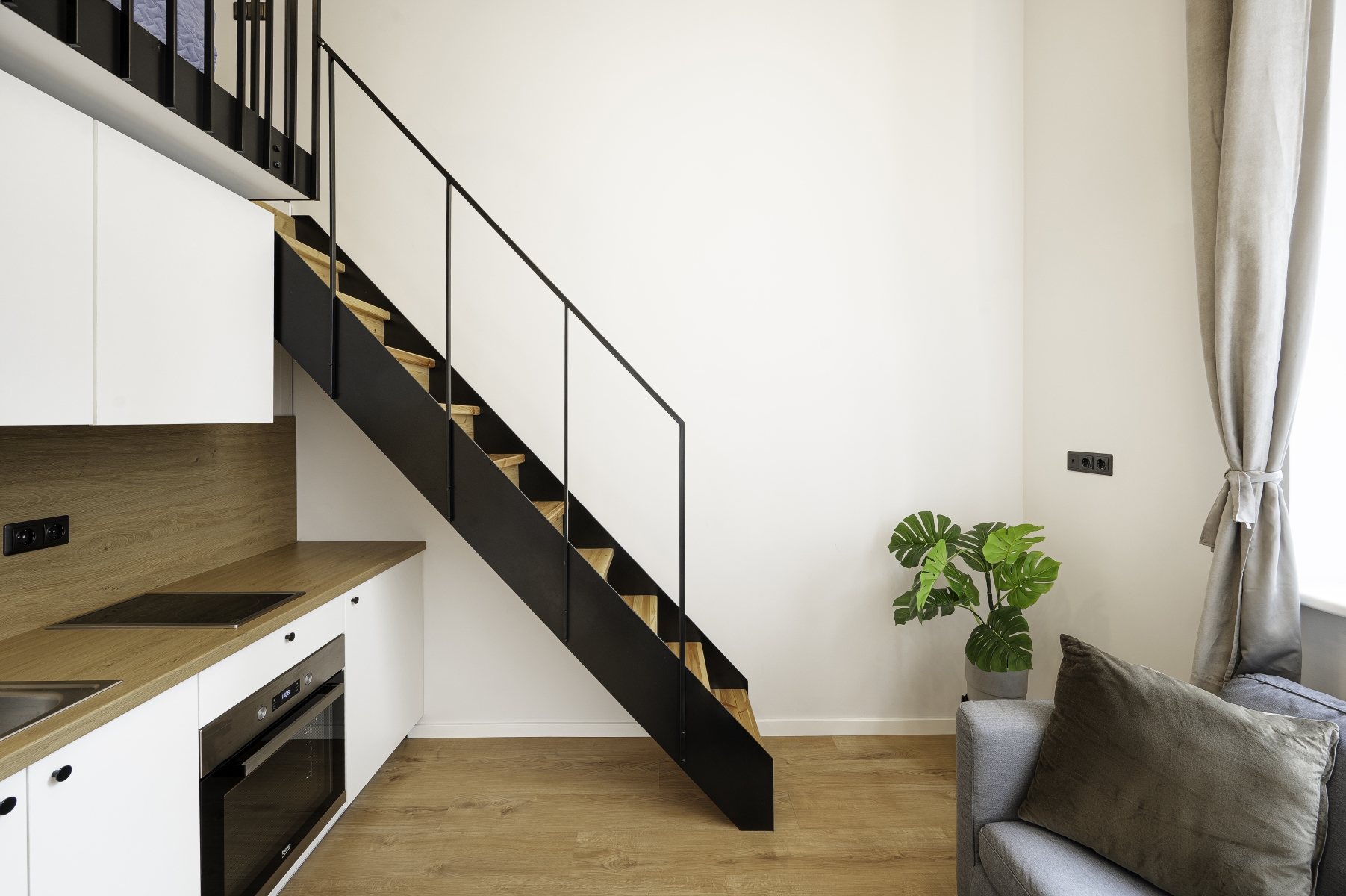
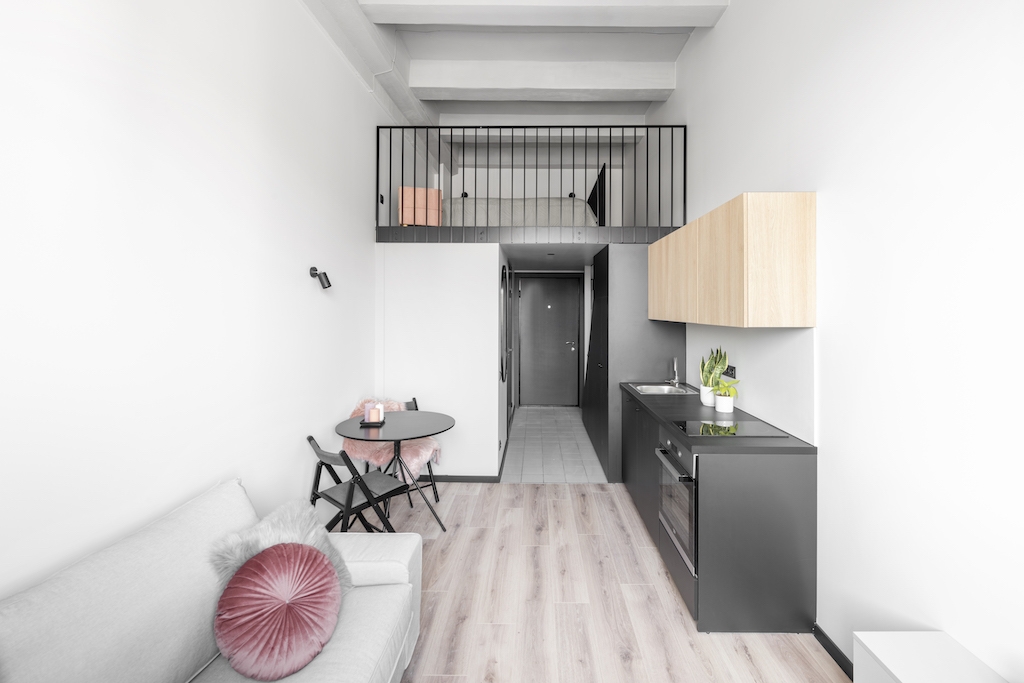
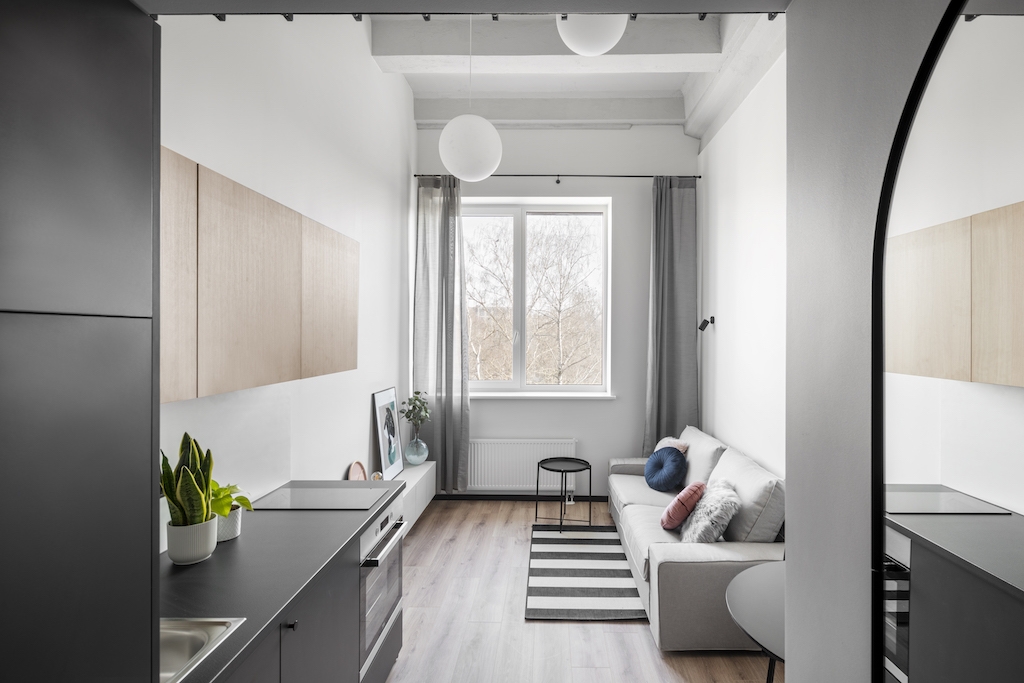
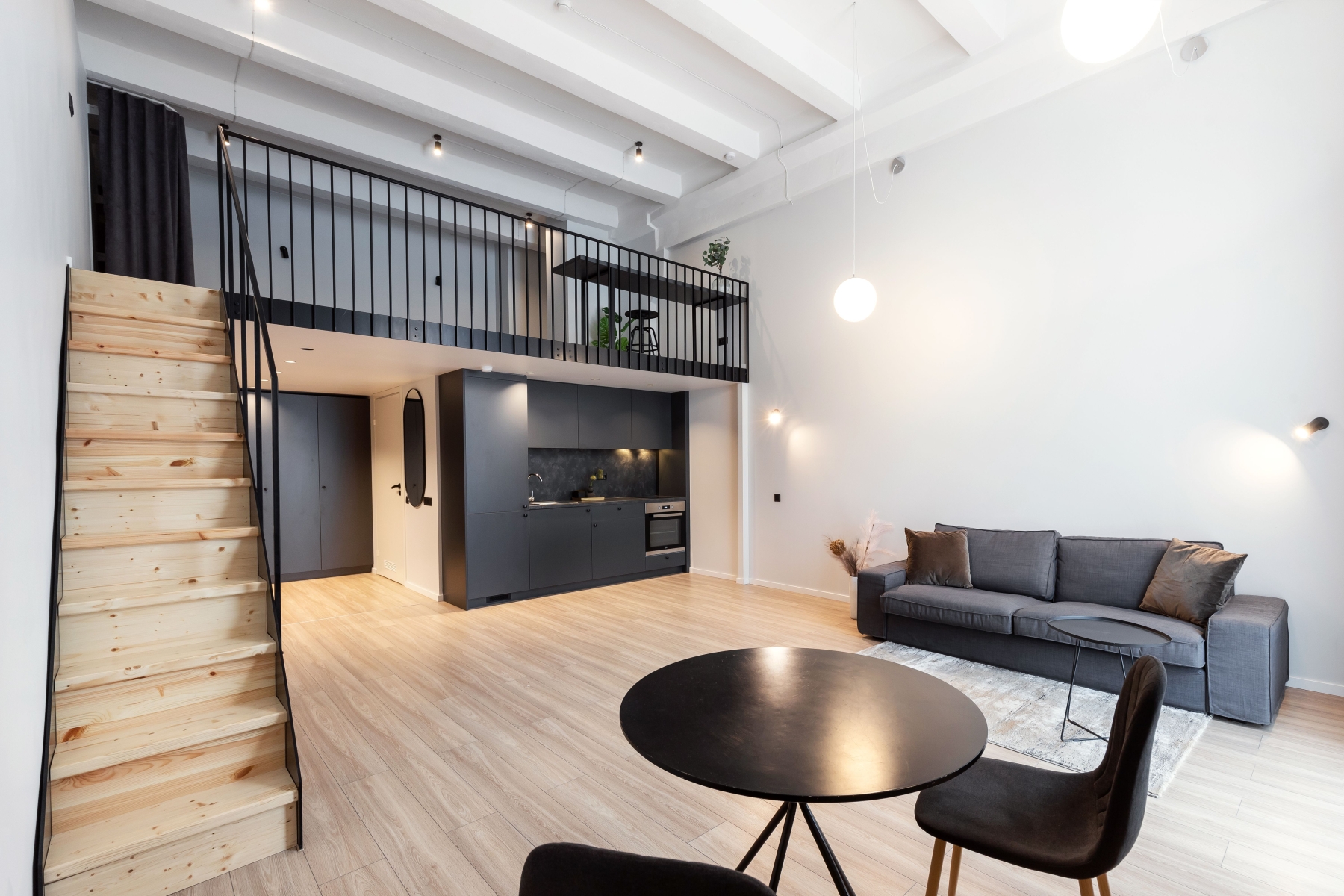
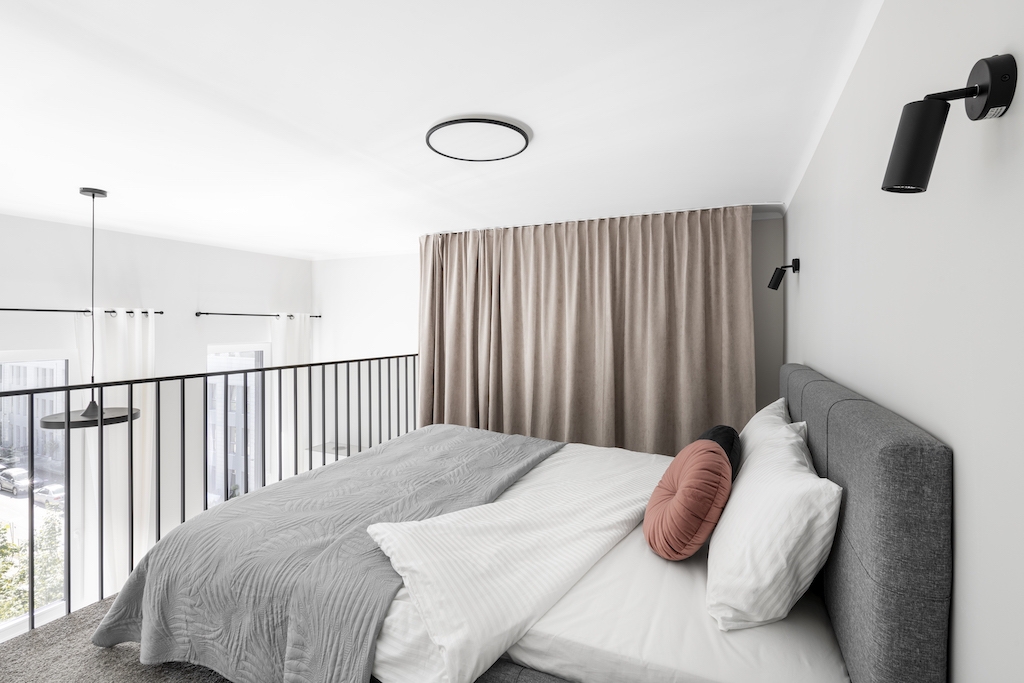
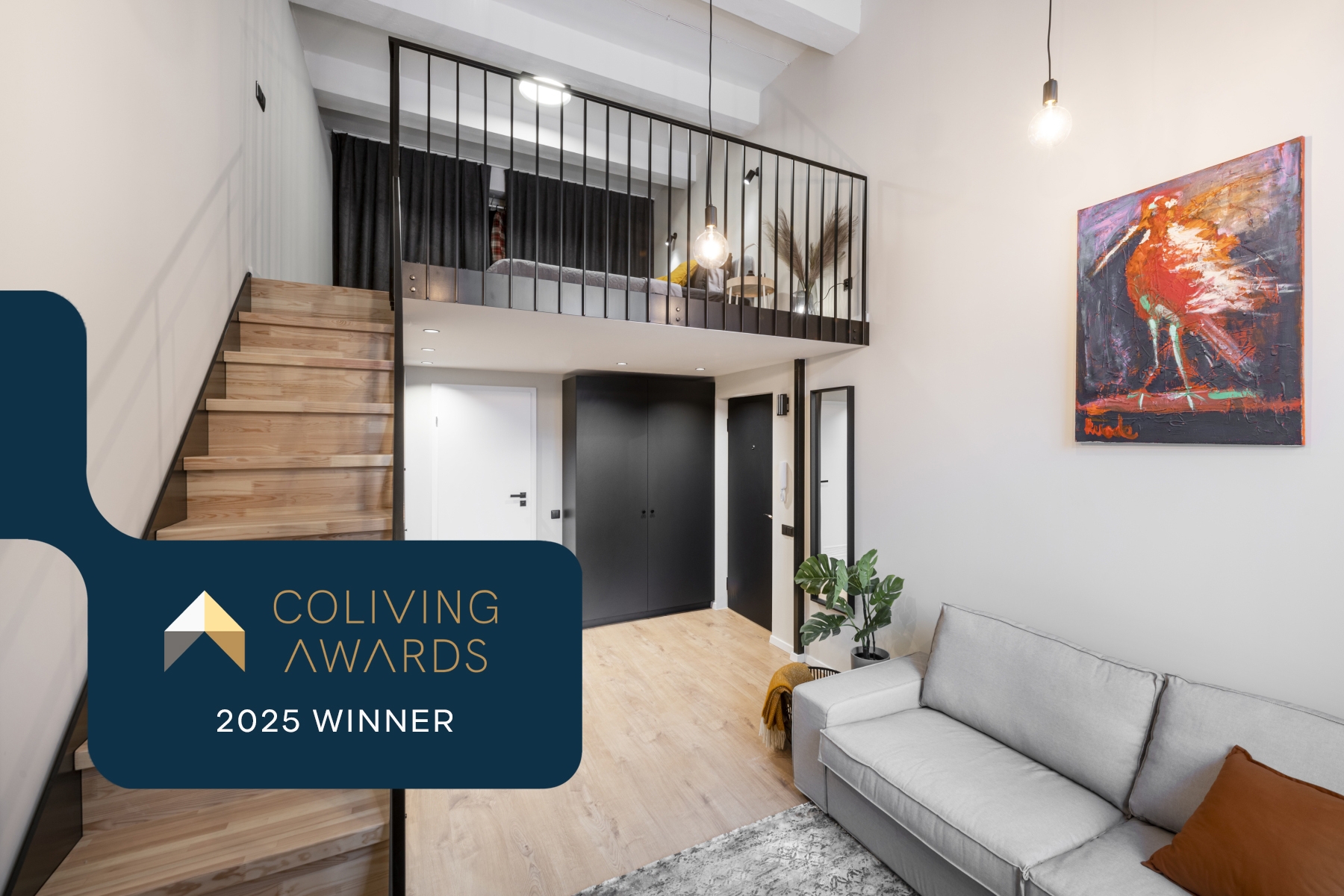
Newly furnished Scandinavian-style  lofts and studios, transparent pricing, comprehensive maintenance, shared spaces.

Home for all YOU

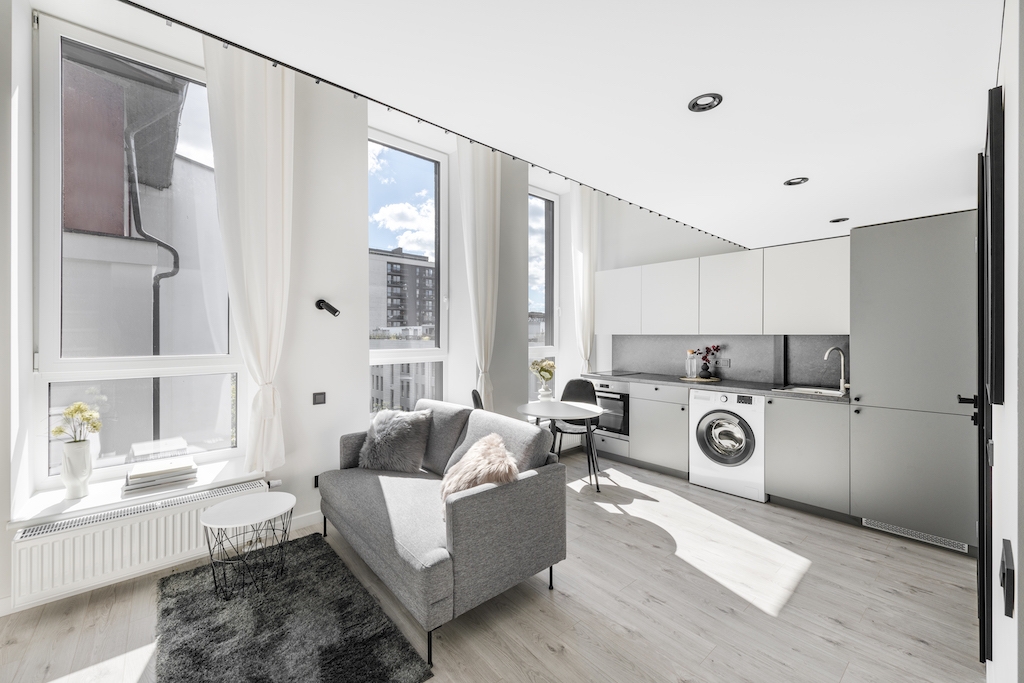
Studio

from 485 € / month
from 50 € / day
13-33 m2
1-2

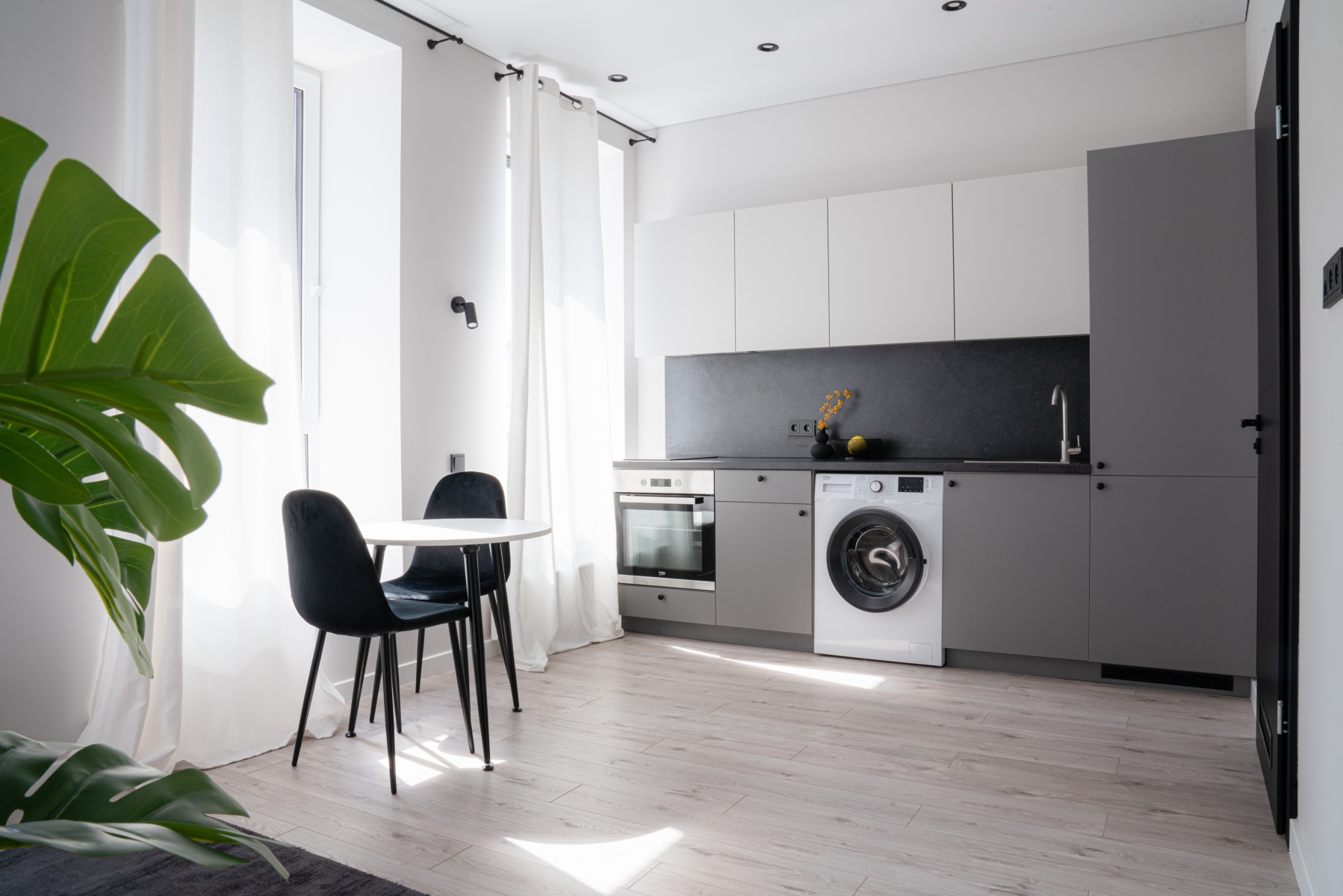
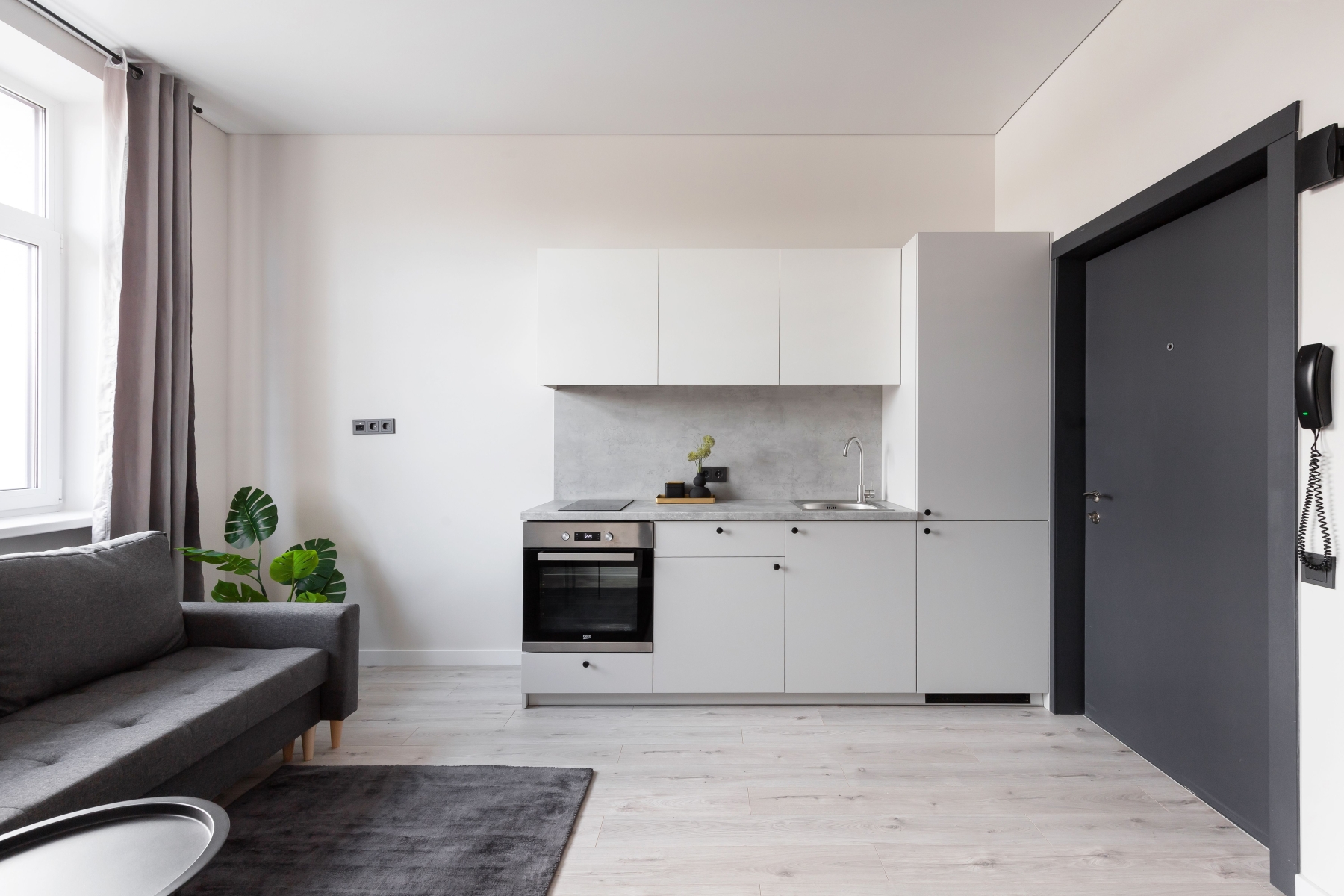
A studio-style one-room apartment where coziness lives

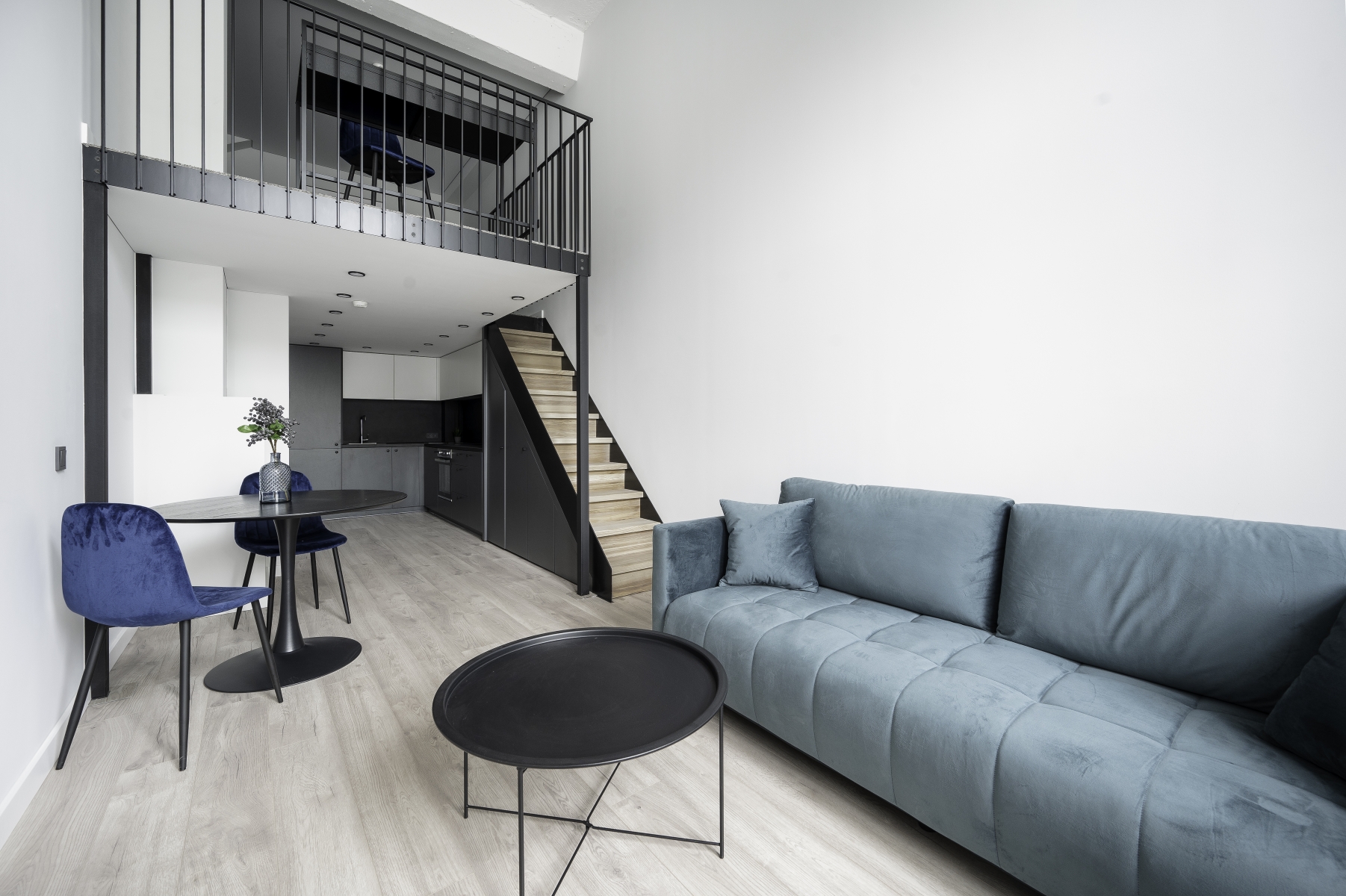
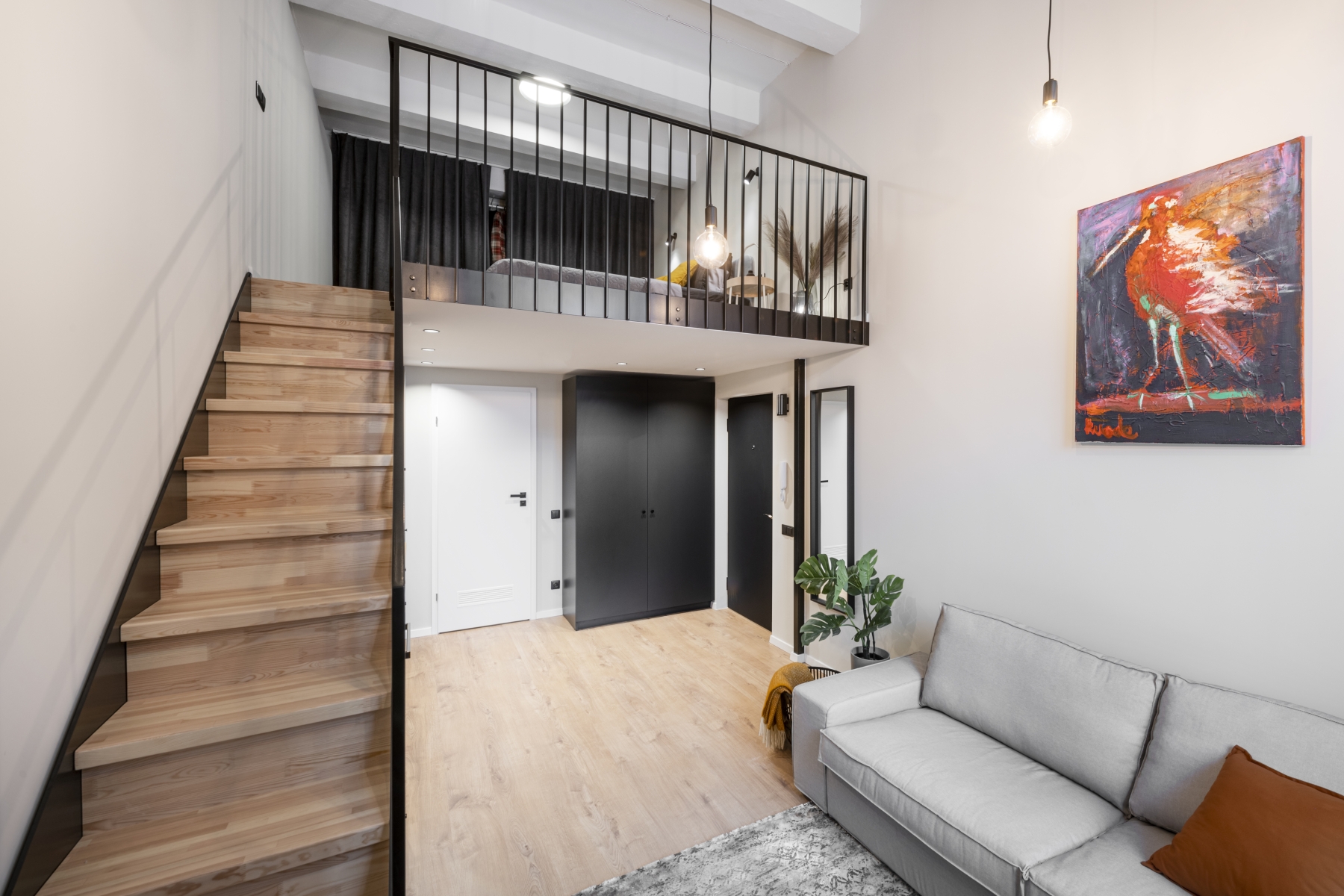
Loft

from 495 € / month
from 65 € / day
16-32 m2
1-2

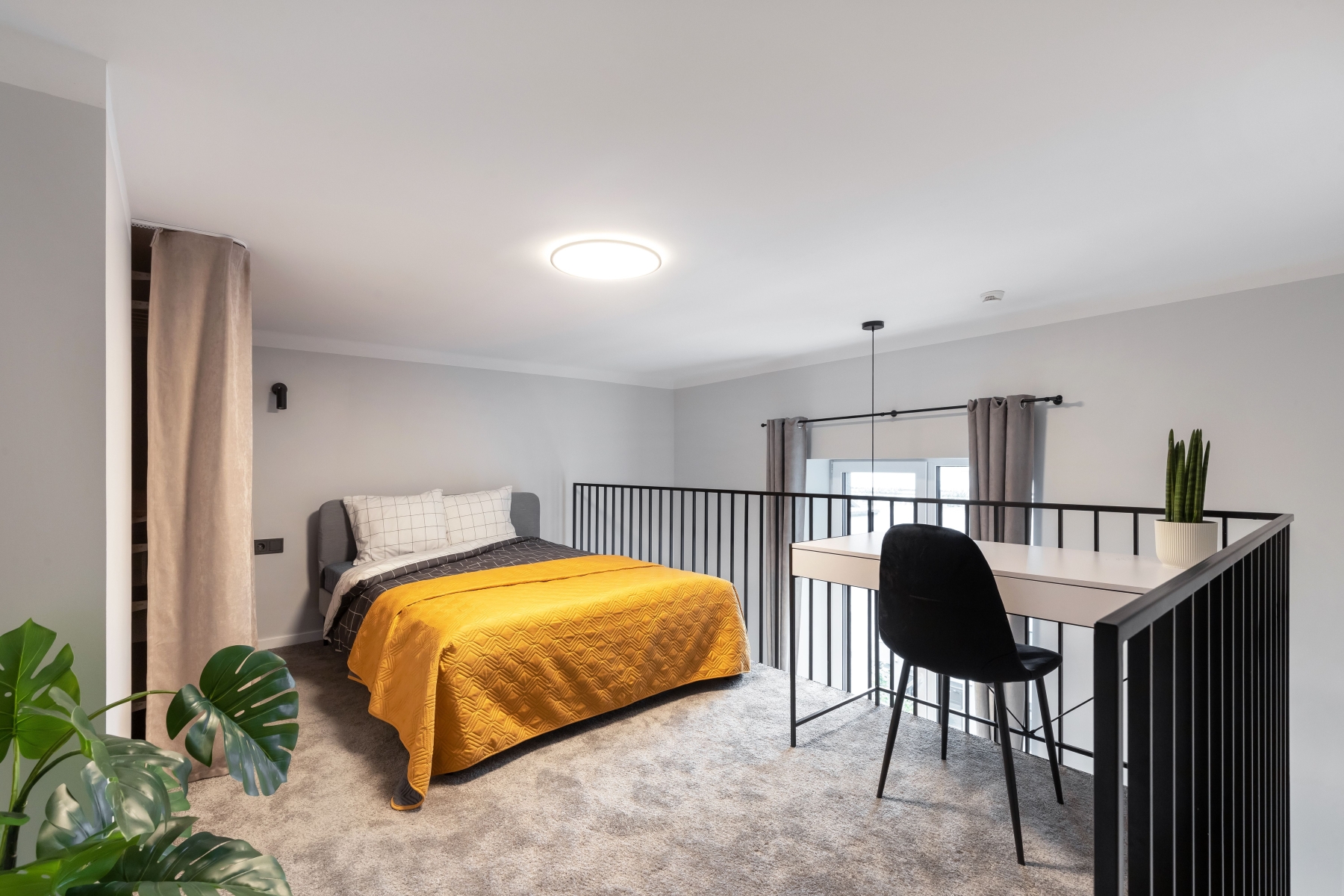
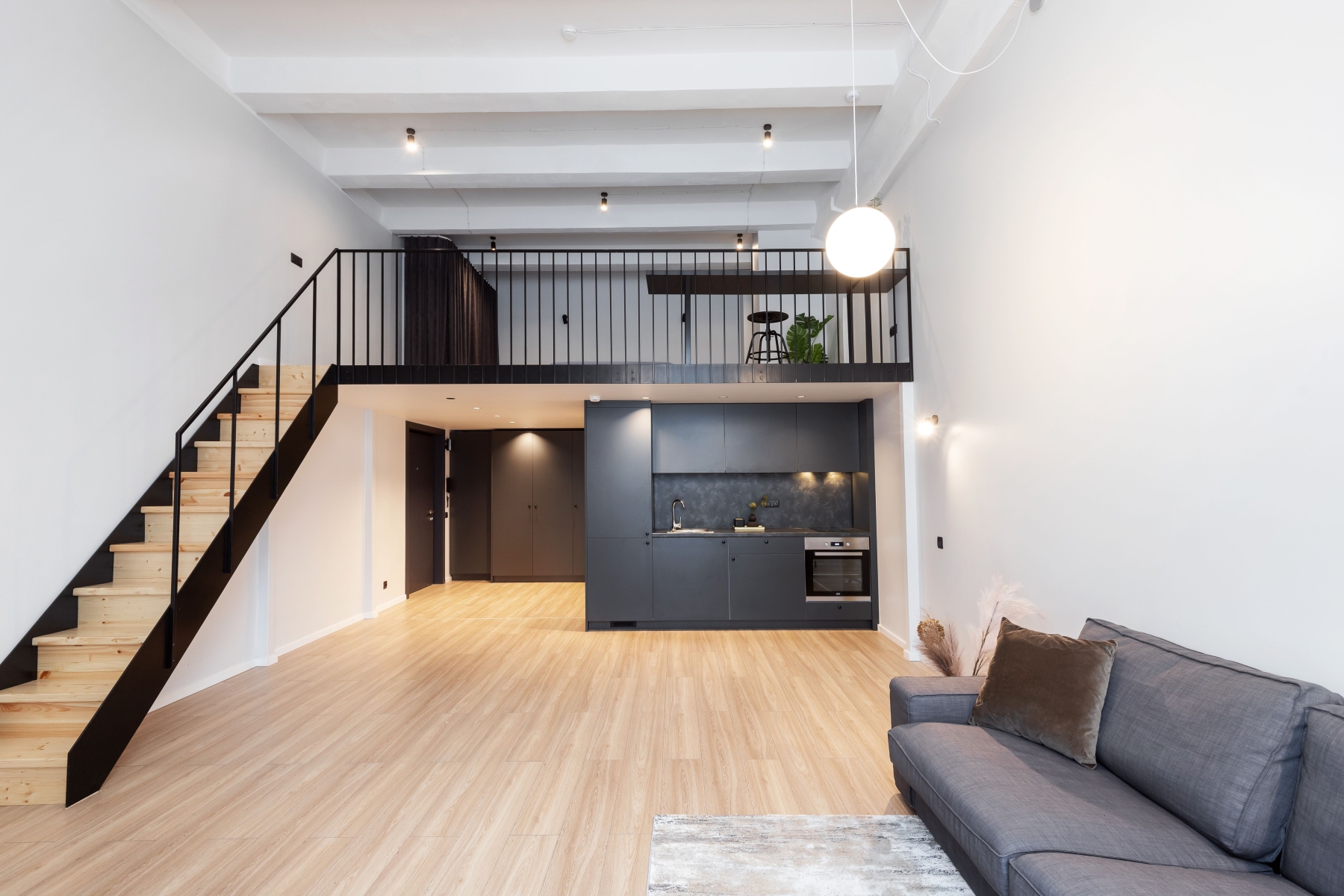
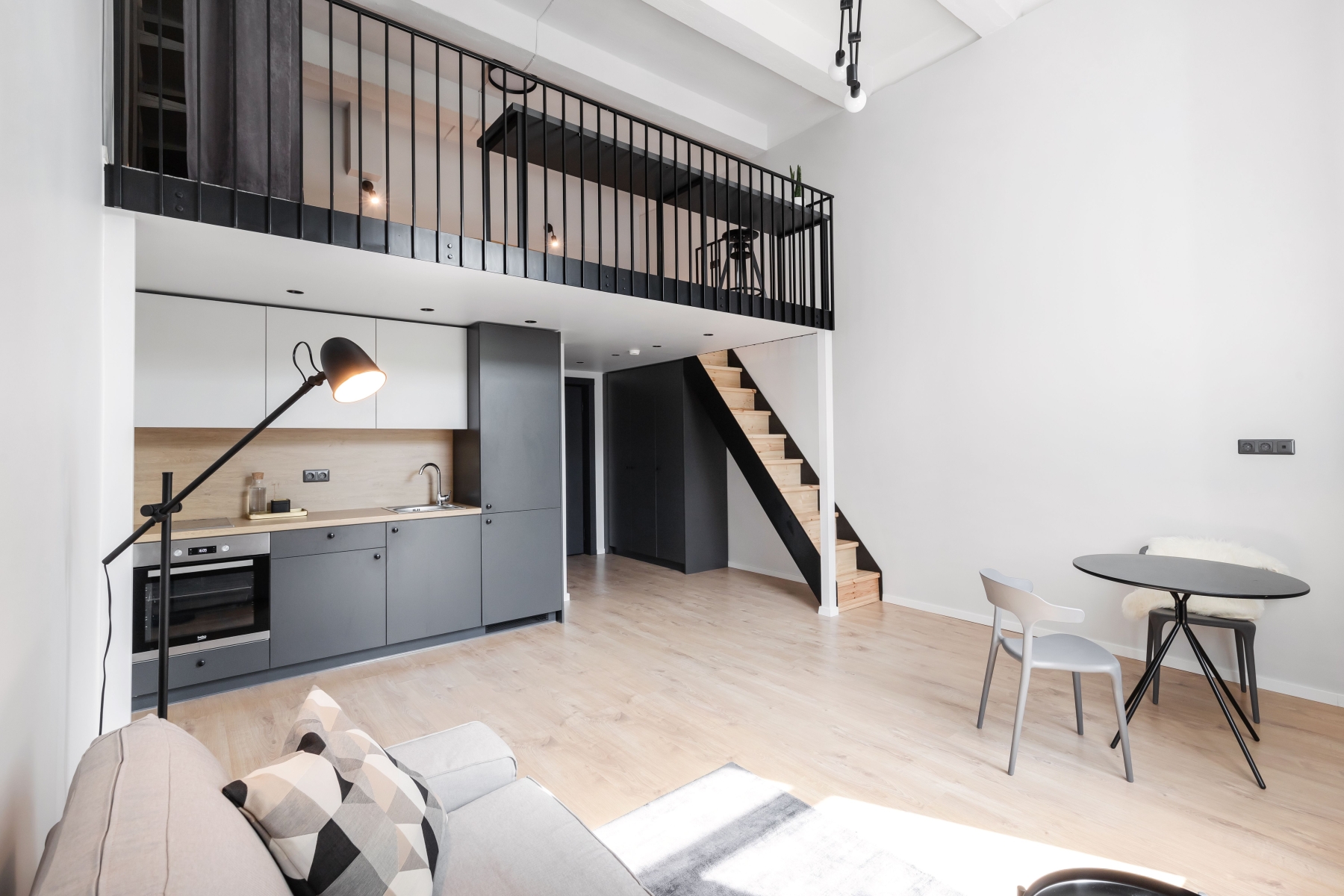
A compact loft that will have enough space for all your things and dreams.

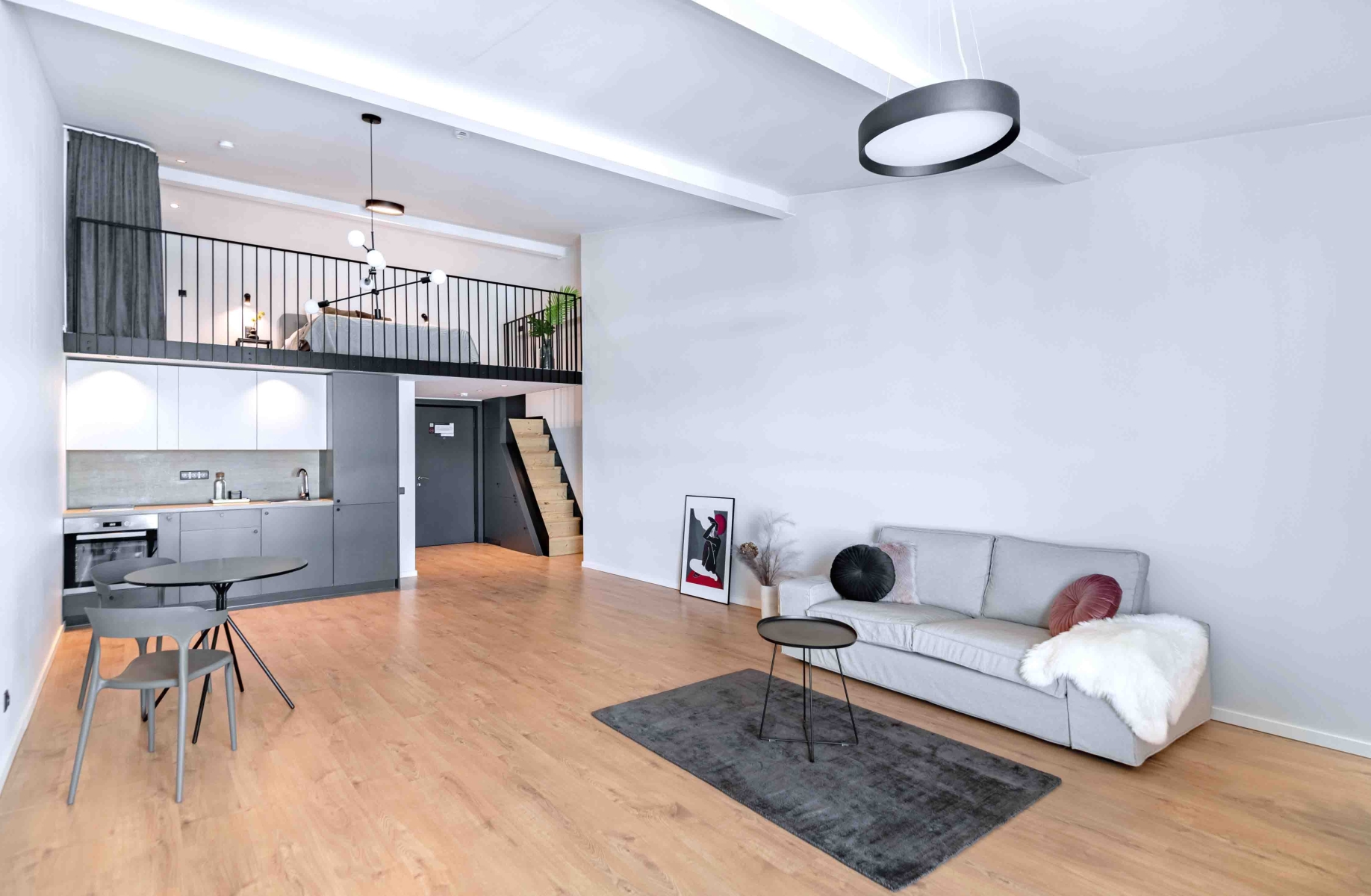
Loft Plus

from 645 € / month
from 90 € / day
33-71 m2
1-2

A spacious loft for unrestrained energy and creativity

The rental price includes

  • Movie theatre
  • Sharing area
  • Sauna
  • Leisure spaces
  • Entertainment zone

For those with a pet

We are animal friendly and will greet them with a smile. Some studios are adapted to live with pets, many of them have direct access to the outside.

Let's communicate

Leisure and entertainment areas

We are happy to offer different spaces for leisure, entertainment and work. Get acquainted with each of them.

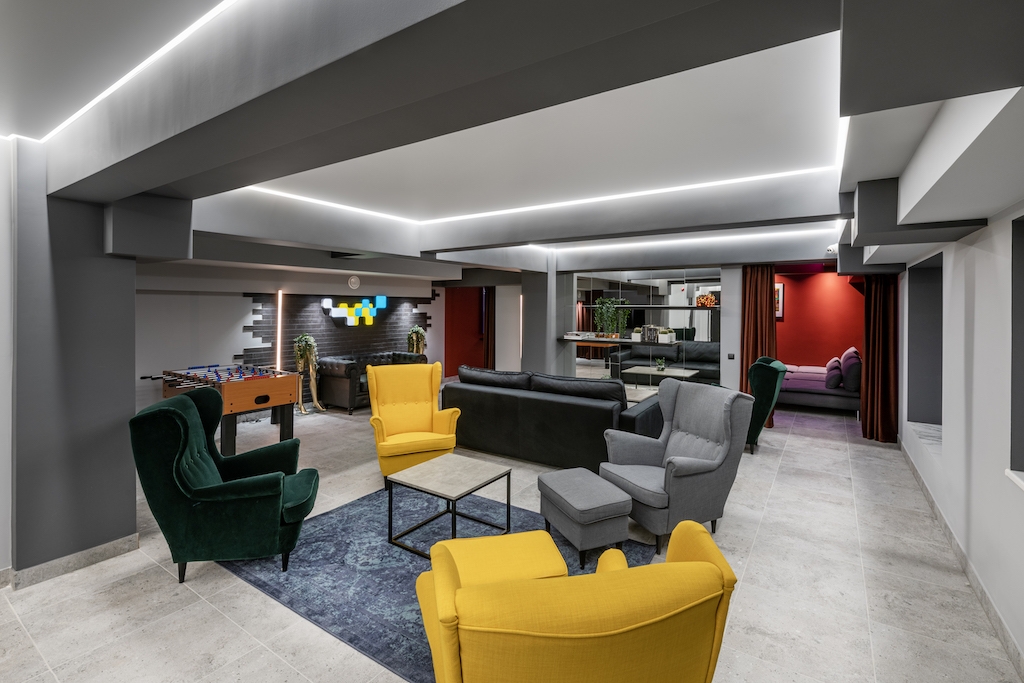
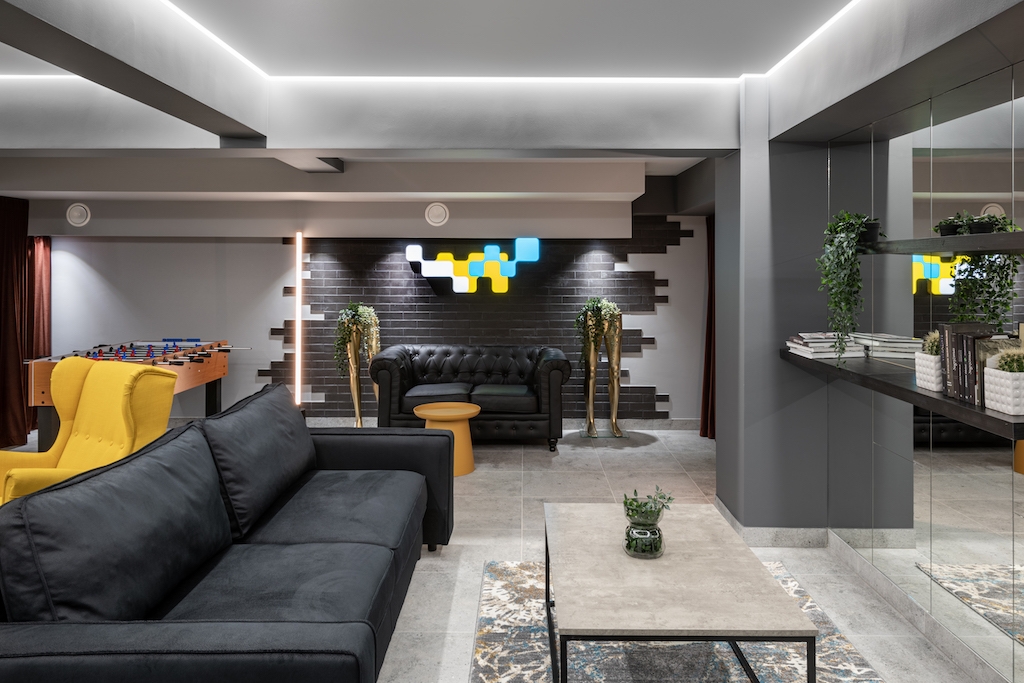
Chill-lounge areas
Movie theatre
Entertainment zone
Sauna
Sharing area

Chill-lounge areas

For the right atmosphere of relaxation and inspiration, you need a quiet corner where you can sink into your favourite book from the comfort of your armchair, indulge in carefree daydreams or share your weekend experiences with the coolest neighbours. 

LOCATION

Vilnius center on foot in 15 minutes.

Frequently
asked questions

Agreement

1.

How does the signing procedure work?

The agreement can be signed both by e- signature and by meeting the rental manager in person.

2.

For what period is the agreement signed?

The short-term rental agreement is signed for a period of 5 to 59 days. A long-term rental agreement is signed for a period of no less than 2 months.

3.

What is the difference between Studio and Loft Classic and Loft Unique rooms?

Loft Classic is a loft with mezzanine and high ceiling. Loft Unique are lofts with identical layout; we can offer more than 10 such units in the project.

4.

Is there a deposit? What is it?

A deposit equal to 1 month’s rent applies, which is returned at the end of the agreement after deducting the apartment-cleaning fee, which shall be specified in the agreement, or any losses deducted to cover the damage.

5.

Will I be able to extend the rent?

In order to extend the agreement, it is necessary to inform the reception 1 month before the end thereof.

6.

Can I terminate the agreement earlier than stated?

Yes, you can terminate the agreement before the end of the rental period; however, you will additionally have to pay the contractual termination penalty.

Rates

7.

What is the cost of renting apartments in Youston?

The price depends on the type of housing selected and the rental period.


  One month offer 2 to 3 months offer 4 to 5 months offer 6+ months


offer

Studio 13-15 m² 575 €/month 545 €/month 515 €/month 485 €/month
Studio 17-20 m² 625 €/month 585 €/month 555 €/month 525 €/month
Studio 21-24 m² 655 €/month 615 €/month 585 €/month 555 €/month
Studio 25-27 m²

675 €/month

635 €/month

605 €/month 575 €/month
Studio 28-33 m² 745 €/month 685 €/month 655 €/month 630 €/month
Loft 16-17 m² 625 €/month 555 €/month 525 €/month 495 €/month
Loft 21-26 m² 665 €/month 640 €/month 610 €/month 580 €/month
Loft 27-36 m² 730 €/month 705 €/month 675 €/month 645 €/month
Loft 37-48 m² 825 €/month 765 €/month 735 €/month 705 €/month
Loft 39-47 m² 875 €/month 815 €/month 785 €/month 755 €/month
Loft 49-58 m² 895 €/month 835 €/month 805 €/month 775 €/month
Loft 63-71 m² 945 €/month 885 €/month 855 €/month 825 €/month
Utility fee Included Not included Not included Not included


8.

What are the utilities? What is included in the price of utilities?

1. The fee for the electricity consumed is calculated according to the supplier’s rates and the individual meter installed for the Premises, adding the fee for the electricity used in the Common Premises, which is calculated by dividing equally among all the Premises and other rented objects in the Building (if any), and adding supplier’s charges (if any).

2. The fee for water used (both cold and hot) is calculated according to the supplier’s rates and the individual meter installed for the Premises, adding the fee for the water used in the Common Premises, which is calculated by dividing equally among all the Premises and other rented objects in the Building (if ant), and adding supplier’s charges (if any), including sewage treatment.

3. The heating fee is calculated according to the supplier’s rates and by subtracting the reading of the Building’s general heating meter from the readings of the heat accounting meters of other rented objects in the Building (if any), and dividing to the rented premises of the Building according to the area of the premises, and adding supplier’s charges (if any).

4. Other charges relating to the Premises and the Building are calculated based on the Service Provider’s rates and invoices provided, and if such services are provided jointly (i.e. not for an individual Premises), such charges are calculated equally among all the Premises and other rented objects in the Building (if any).

5. Monthly building administration/operation service fee, specified in the special part of the signed agreement.

9.

Are pets allowed? How much does it cost?

Pets are allowed, the fee for one pet is 25 EUR/month.

10.

How do the monthly payments work?

Until when should payment be made? Payments are expected by the 20th of the current month for the next month and the previous month’s utilities according to the invoice sent by the reception. If for some reason the invoice is not received, the customer must pay the rent to the details specified in the agreement and apply for the calculation of the utilities.

11.

Are there additional services in the project?

Youston offers various services, including ground and underground parking, bicycle storage, residence declaration, apartment cleaning services. Service offers are constantly being expanded. They can be found in this link

12.

Can I skip utilities if I don’t live there?

When you sign a rent agreement, you are obligated to pay utilities every month.

13.

Can I get an apartment cleaning service?

Yes, the order of the service takes place through the Youston reception, at the following e-mail: hello@youston.lt

14.

Are defect removal services free?

– If the defect was left during the installation of the apartment or happened due to a shortcoming, the defects are removed free of charge. In this list you will find the rates for additional services in the Youston project.

Moving in/out

15.

How does the moving in procedure work?

A few days before, we will send an e-mail with instructions on how to use the lock, where the keys to the apartment will be left and all the relevant information about the Youston project.

16.

If I move out earlier, can I find a replacement?

Yes, you can. In this case, you must communicate this information to the rental manager. The new tenant may be subject to other rental conditions in effect at the time. The agreement of the new tenant cannot be shorter than that of the customer who is transferring the agreement.

17.

What will I need to do on the day moving out?

You will have to leave by 12 o’clock on the last day of the agreement. You must leave the apartment clean and tidy, and if upon inspection we find damage to the premises or inventory, we will accordingly deduct that amount from the deposit paid.

Inside the apartments

18.

Are there internet connections in the apartments?

Each tenant is responsible for managing their own Internet connection within their studio/loft. Should the need arise, please reach out to our partners in the Youston project, “NTT,” for assistance with Internet services.

19.

What can be found in the apartments?

The apartments has all the furniture and necessary household appliances: washing machine, refrigerator, induction/electric hob, oven. Bedding and towels are the responsibility of the the tenant.

20.

Are there decor items in the apartment?

Some apartments have hanging pictures. You can find out this information before renting an apartment.

21.

Can I borrow household appliances from someone?

Yes, you can share this information in the private Youston Facebook group.

22.

What ventilation system is installed in the apartments?

Natural ventilation in the living room area – by opening the window (we recommend to ventilate the premises for at least 15 minutes during the day). In the bathroom – air extraction/fan.

23.

How to use and maintain the household appliances in the apartment (change the light bulb, clean the drain hole (trap), etc.)?

The following link provides the most up-to-date information and quick instructions: Youtube video

Urgent questions

24.

What to do if there is an accident during the weekend?

In the event of an accident, please contact the emergency service immediately at 8 800 55 565, and also inform the project reception about the event at hello@youston.lt.

25.

What should I do if I suspect criminal activity or spot someone in the Youston project?

Call the quick dial 112, and also report this event to this reception via email at hello@youston.lt

26.

What if I lose all my keys?

In case of lost keys, on weekdays from 9:00 a.m. to 6:00 p.m. please contact the reception at the following email address: hello@youston.lt

27.

What should I do if I have noisy neighbours?

Quiet hours in Lithuania run from 10 p.m. to 8 a.m., during which it is forbidden to make noise. If the neighbours violate this order, you can call the Police, who will issue a warning or a fine to the noisy persons upon arrival. You should contact the police by dialling 112. Also, please write a letter to the Youston reception; after describing the situation and the problem in detail, we will try our best to solve the problems as soon as possible.

General

28.

What are the reception’s working hours?

Reception staff are ready to help you and answer all your questions on weekdays from 9:00 a.m. to 5:30 p.m. at You can contact them by e-mail by mail at hello@youston.lt and by phone at +37063000873

29.

When does the heating season start?

The heating of the premises starts when the Vilnius city municipality announces the beginning of the heating season.

30.

Can I bring friends to my apartment?

Yes, you can, and the host who receives the guests is responsible for their behaviour and actions both in the apartment and in the common areas of the project and on the project territory

31.

Can I leave the trash in the stairwell for a while and take it out in the morning?

No, it is forbidden to do so and is classified as a violation of the rules of general procedure.

32.

Can I smoke in my apartment?

Smoking is strictly forbidden both in the apartment and in common areas. You can smoke outside by walking at least 10 meters away from the building.

How to Find Housing in Vilnius

How to Find Housing in Vilnius: A Complete Guide for International Students

Moving to a new country can be exciting, but finding a place to live is often the hardest part of the journey. Whether you’re coming for Erasmus, a full degree program, or an internship, Vilnius offers plenty of housing options. The challenge is knowing where to look, what to expect, and how to avoid common pitfalls.

This guide breaks down everything international students need to know about finding housing in Vilnius, from understanding the rental market to exploring co-living options like YoustonLiving.

1. Understand the Vilnius Housing Market

Vilnius has a steadily growing student and expat population, especially during the autumn semester when Erasmus students, exchange students, and new international hires arrive. Because of this, housing demand spikes between August and October, and good options can get booked quickly.

Students usually choose between three main types of housing: university dorms, private apartments or rooms, and modern co-living spaces. Each option has its own advantages, trade-offs, and price ranges.

University Dorms

Dormitories are often the first option students hear about after being accepted to a university in Vilnius. They are typically the most affordable housing choice, with prices starting around 100–250 EUR per month.

However, this low cost comes with certain compromises:

  • Most dorms offer shared rooms, so you’ll be living with at least one other student.
  • Bathrooms and kitchens are communal, meaning less privacy and more coordination with others.
  • Facilities tend to be basic and may not match the comfort level of private housing.
  • Places are limited, and demand is high, so you might not always get your preferred building or room type.

Dorms can be a great fit if your priority is keeping costs low and living in a social environment close to campus. For many, it’s also a great way to meet people quickly.


Private Apartments or Rooms

For those who want more independence, renting a room or an entire apartment on the open market is the second major option. This gives you more control over your living space and typically a higher level of comfort.

But it also comes with more responsibility:

  • Most private rentals require a 12-month lease. If you’re staying for just one semester, breaking the lease early can be difficult or expensive.
  • Landlords usually ask for a security deposit equal to 1–2 months’ rent.
  • While many apartments in Vilnius are furnished, you may still need to handle small essentials or make arrangements for Wi-Fi and utilities.
  • You’re responsible for coordinating with the landlord for repairs or issues.

Prices for private rooms typically start around 250–450 EUR/month, and 500–800 EUR/month for a full apartment, depending on location and size. This option is best suited for students or young professionals planning to stay longer than one semester and who prefer more privacy and control.


Co-Living Spaces

Co-living is a relatively new but fast-growing housing option in Vilnius. It’s especially popular among Erasmus students, interns, and young professionals who want flexibility without the hassle of long-term contracts or setup costs.

In spaces like YoustonLiving, everything is designed to make the move-in process easy and fast:

  • Private furnished studios with bathrooms and kitchenettes.
  • Flexible rental terms, from one month to a full year, with no need to commit to long leases.
  • All-inclusive billing, meaning Wi-Fi, utilities, and amenities are already covered.
  • Access to shared spaces like gyms, saunas, rooftop terraces, lounges, and cinema rooms.
  • A built-in international community, making it easy to meet people and integrate into city life.

Prices typically start from around 500 EUR/month, but since everything is included, the overall cost can be more predictable compared to traditional rentals. Co-living is ideal for people who want a central location, a ready-to-live-in home, and the ability to stay for only as long as they need.

2. Know Your Neighborhoods

Where you live in Vilnius will shape not just your commute, but also your everyday lifestyle. Some neighborhoods are lively and packed with cafés and events, while others are quieter and more residential.

Here are a few of the most popular areas among international students and young professionals:


Old Town (Senamiestis)

The heart of Vilnius. This is where you’ll find historic cobblestone streets, centuries-old architecture, and most of the city’s cultural life. Living here means you’re just a short walk from cafés, restaurants, bars, museums, galleries, and some university buildings.

  • Atmosphere: Very lively, historic, charming. Ideal if you love being in the middle of everything.
  • Housing: Mostly renovated apartments in older buildings or modern conversions. Rent is higher compared to other areas.
  • Average rent: Around 500–800 EUR for a studio or small flat, depending on the condition and location.
  • Best for: Students who want to experience city life to the fullest, don’t mind a bit more noise, and value walking distance to everything.

Naujamiestis (New Town)

Located just outside the Old Town, Naujamiestis offers a more affordable but still very central living option. It has a mix of old Soviet-era buildings, modern apartments, and co-living spaces. The neighborhood is well connected by public transport and has many cafés, gyms, and coworking spaces.

  • Atmosphere: Urban, energetic, practical. A favorite among Erasmus students and young professionals.
  • Housing: A mix of older flats and modern renovated buildings, often at lower prices than Old Town.
  • Average rent: Around 400–650 EUR for a studio or one-bedroom apartment.
  • Best for: Those who want central access without paying the highest rents, and who enjoy a good balance between social life and convenience.

Šnipiškės

Just across the river from Old Town, Šnipiškės is one of the fastest-developing neighborhoods in Vilnius. Once a quiet wooden-house district, it’s now a mix of old and new — with modern residential buildings, shopping centers like Europa, and the city’s main business district.

  • Atmosphere: Modern, up-and-coming, dynamic. A mix of students, professionals, and locals.
  • Housing: New apartment complexes with good amenities and security.
  • Average rent: Around 500–750 EUR for a modern studio or one-bedroom flat.
  • Best for: Students and interns who want modern housing, great transport links, and easy access to both the center and workplaces.

Antakalnis

Antakalnis is a green and residential neighborhood located northeast of the city center. It’s known for its proximity to nature, parks, and the river, making it a popular choice for people who prefer a calmer environment. Several university faculties and hospitals are located here.

  • Atmosphere: Quiet, green, residential.
  • Housing: A mix of Soviet-era apartment blocks, newer buildings, and private houses.
  • Average rent: Around 350–600 EUR depending on the type of housing.
  • Best for: Students who prefer a quieter area, easy access to nature, and a lower rent compared to the center.

Getting Around the City

One of the best parts about living in Vilnius is how compact and well-connected it is. Public transport (buses and trolleybuses) is reliable, affordable, and easy to navigate. Most trips within the city cost around 0.65–0.90 EUR.

Cycling is growing fast, with more bike paths being added each year. Many students also choose to walk, especially if they live near the center. This means even if your neighborhood isn’t in Old Town, you can still reach it quickly and easily.

3. Common Platforms to Search for Housing

If you’re looking on your own, these are the most popular platforms students use to find accommodation in Vilnius:

Be careful with Facebook groups: scams are common, and listings are often unverified. Never send money without a verified contract or visiting (in person or virtually).

4. Arrive Prepared

Finding a place is only part of the process. Arriving well-prepared can save you stress, misunderstandings, and unexpected expenses. Once your housing is confirmed, it’s smart to take a few extra steps to make the transition as smooth as possible.

  • Confirm your lease terms in writing.

    Make sure you have a signed contract or at least a written agreement that clearly states the length of stay, total monthly rent, what’s included, and any extra costs. This is especially important if you’re booking remotely before arriving in Lithuania.

  • Ask exactly what’s included in the rent.

    In Vilnius, some landlords include Wi-Fi and utilities in the price, while others don’t. Ask about heating (which can increase costs in winter), electricity, internet, water, and whether you’ll need to register the services yourself. Knowing this upfront helps you plan your budget accurately.

  • Check access to your university or workplace.

    Before signing, look at the location on a map and check public transport routes. A lower rent may not be worth it if it means spending an hour each way on a bus. Ideally, your housing should be within a short bus, trolleybus, or bike ride of your university.

  • Inspect the property when you arrive.

    Take clear photos or videos of the entire space — including furniture, walls, floors, and appliances. This protects you from potential disputes over damage or deposits later.

  • Clarify check-in and check-out procedures.

    Ask about who gives you the keys, what documents you need upon arrival, and whether there’s an inventory list to sign. These small details can make a big difference if issues come up at the end of your stay.

  • Plan for your first days.

    If you’re arriving late at night or on a weekend, arrange key collection in advance. It’s also smart to have essentials like towels, bedding, or kitchen basics ready — especially if you’re renting an unfurnished or partly furnished room.


5. Why Many International Students Choose Co-Living

In recent years, co-living has become one of the most popular housing options for Erasmus students, interns, and young professionals moving to Vilnius. While dorms are cheap and private apartments give independence, co-living often offers the best balance between comfort, flexibility, and convenience.

Here’s why more and more students are choosing co-living spaces like YoustonLiving:

  • A fast and simple process.

    No long negotiations, no endless viewings, and no worrying about whether a listing is real. Rooms and studios can often be booked online before you arrive, so you can land in Vilnius with housing already secured.

  • No need to buy furniture or manage utilities.

    Co-living studios are fully furnished with everything you need to start living right away. Utilities like heating, water, and Wi-Fi are usually included in one monthly bill. That means no running around to set up contracts with multiple providers.

  • Flexible rental terms.

    Unlike most private apartments that require a 12-month lease, co-living spaces typically offer stays from 1 to 12 months. This is ideal for students staying for a single semester or interns on short placements.

  • Community and social connections.

    One of the biggest challenges of moving abroad is building a social circle. In co-living, you’re surrounded by other international students and young professionals. Shared spaces like lounges, gyms, and terraces make it easy to meet people naturally, without forced activities.

  • Central locations and modern facilities.

    Co-living buildings are often in central or well-connected neighborhoods, so you can easily reach your university, work, or the Old Town. Facilities like gyms, saunas, cinema rooms, and rooftop terraces add to the living experience without extra membership costs.

  • Less hassle, more focus on your experience.

    With fewer responsibilities to manage, students can spend more time exploring Vilnius, focusing on their studies, and enjoying their Erasmus semester rather than dealing with housing problems.

In short, co-living offers the comfort of a private space, the convenience of an all-in-one rental, and the social benefits of community living - making it a natural fit for many international students.

How to Avoid Housing Scams in Vilnius as an International Student

Finding housing in Vilnius can be exciting, but for many international students, it’s also one of the most stressful parts of moving abroad. Unfortunately, popular platforms like Facebook housing groups and short-term rental websites are a common target for scams. Fake listings, stolen deposits, and misleading photos can quickly turn what seems like a good deal into a costly mistake.

Here’s a guide to help you spot red flags, protect yourself, and find safe and reliable student housing in Vilnius.

1. Be Wary of “Too Good to Be True” Listings

If you see a fully furnished studio in central Vilnius for an unusually low price, that should immediately raise a red flag. Scammers often use low rent as bait, especially when targeting international students who may not yet understand the local market.

Average monthly rent for a private studio in or near the city center typically starts from 500–700 EUR, depending on size, location, and condition. Anything far below this range is worth double-checking carefully.

Before committing to any listing:

  • Research the average rental prices for the neighborhood.
  • Check multiple platforms to understand the real market rate.
  • Be extra cautious if the landlord insists on a fast decision or pressures you to secure the apartment right away.

Taking the time to compare a few listings will help you avoid being drawn in by offers that are simply too good to be real.


2. Never Pay a Deposit Before Seeing or Verifying the Property

A very common scam involves fake landlords asking for a deposit or first month’s rent upfront to “reserve” the apartment. They may use real addresses or stolen photos, but the apartment either does not exist or is not actually theirs to rent out.

To protect yourself:

  • Ask for a video tour or, if possible, visit the property in person.
  • Verify the exact address and make sure it matches the listing.
  • Request a rental agreement or other proof that the person is legally allowed to rent out the space.
  • Never send money through insecure payment methods such as Western Union or cryptocurrency.

A legitimate landlord or housing provider will not pressure you to pay before verifying the property. If they do, it is a sign to walk away.


3. Verify Who You’re Dealing With

Scammers often pretend to be real landlords, agents, or representatives of housing companies. Verifying their identity is one of the simplest ways to avoid a scam.

Before signing anything or sending money:

  • Ask for the landlord’s ID or company registration details.
  • Check the name or company on Google or the Lithuanian business registry.
  • Look for online reviews or ask other students if they have heard of the landlord or agency.
  • Be cautious if the person avoids giving details, refuses a call, or insists on communicating only through text.

Established housing providers like YoustonLiving make this process easy. They provide clear contracts, verified addresses, and legal documentation, which significantly reduces risk compared to dealing with strangers through unverified platforms.

4. Don’t Rely on Facebook Alone

Many international students start their housing search in Facebook groups because it feels fast, direct, and informal. While there are legitimate listings, these groups are also one of the most common places where scams happen. Most groups have little to no verification of what gets posted, which means anyone can list a property, including scammers using fake photos or copied ads.

If you do decide to use Facebook, approach it with caution. Take time to check the profile of the person posting. A brand-new account or one with very little activity can be a red flag. Be wary of anyone who avoids meeting in person, refuses to show the property, or pressures you to send money quickly. Scammers often create a false sense of urgency to make you act before asking too many questions.

Whenever possible, it’s smarter to rely on official student housing platforms or trusted co-living providers like YoustonLiving, where every listing is verified and bookings are secure. This drastically lowers the risk of falling for a scam and saves you time during a busy relocation.

5. Watch Out for Common Red Flags

Housing scams often follow similar patterns. Recognizing these early can save you from losing hundreds or even thousands of euros.

Be cautious if a “landlord” insists you must pay a deposit immediately to “secure the apartment” or claims there are “many other interested tenants.” Another warning sign is when the address is vague or the person avoids showing the property, even through a live video call.

Photos that look overly polished or are clearly taken from stock image websites are also a sign that the listing might not be real. Scammers typically communicate only through WhatsApp or email, refusing to talk on the phone or meet in person. And if they offer a contract but don’t give you time to read it carefully, that’s another strong signal to walk away.

The bottom line is simple: if anything about the situation feels off or rushed, trust your instincts. It is better to miss out on a suspicious listing than to lose your money to a scammer. Choosing a verified housing option like YoustonLiving removes these risks entirely because the contract, pricing, and property are all transparent from the start.


6. Use Verified and Reputable Platforms

When moving to Vilnius for Erasmus, work, or studies, choosing where to live is one of the most important decisions you’ll make. One of the safest ways to protect yourself is to use verified housing platforms or trusted co-living providers that specialize in international students.

Reputable companies typically offer clear contracts in English, transparent pricing, and a secure booking process. They provide official addresses, legal documentation, and support in case anything goes wrong. This removes the uncertainty of dealing with strangers and makes the move smoother, especially if you’re arriving from abroad.

Providers like YoustonLiving are popular among international students because they combine secure booking, flexible stays, and legal transparency. For many newcomers, this is a safer and more reliable alternative to scrolling through Facebook groups or unverified rental ads.


7. Always Sign a Written Contract

No matter where you find your accommodation, a proper written rental contract is essential. Verbal agreements or vague promises in text messages offer you no legal protection. A contract gives both you and the landlord clear responsibilities and protects your rights if something goes wrong.

A good contract should specify the rent amount and payment terms, the deposit and refund conditions, the length of your stay, and who is responsible for maintenance or other costs. If a landlord avoids putting anything in writing, that’s a major red flag.

With YoustonLiving, the entire contract process is transparent and handled professionally, which means you can sign and move in with confidence, without hidden risks or unpleasant surprises.

Final Thoughts

Finding housing in Vilnius doesn’t have to be stressful. The key is to start early, compare your options, and choose what best fits your lifestyle and budget.

Whether it’s a dorm, a private flat, or a co-living studio, Vilnius offers something for everyone. If you value flexibility, location, and simplicity, co-living can make your transition smoother and more enjoyable.

Explore co-living options at youstonliving.com
Youston vs. a Normal Apartment

Youston vs. a Normal Apartment: A Full Cost and Value Breakdown

The Hidden Costs and Hassles of a Normal Apartment

At first, a regular apartment can seem like the cheaper and more straightforward option. But what looks simple on paper can still come with a list of extra responsibilities that make the overall experience less flexible, especially for people staying short-term.

1. Upfront Costs

Most landlords ask for a security deposit equal to one or two months’ rent, plus the first month’s rent in advance. On top of that, while many apartments in Vilnius are furnished, they often include only the basics, so you may still need to buy smaller everyday items to make the space feel comfortable. This can easily add a few hundred euros on top of the initial rent.

2. Utilities and Administration

The amount payed for utilities constantly changes depending on the season or actual consumption. Heating bills in winter can be significantly higher, and you’re still the one responsible for settling these costs and monitoring usage. If anything goes wrong with services like Wi-Fi or heating, it’s usually up to you to handle it with the provider or the landlord.

3. Lifestyle Extras

While the basics are covered, extra comforts like a gym, sauna, or shared social spaces are typically not included in your rent. If those matter to you, you’ll need to sign up for separate memberships and commute to different locations, which adds both cost and time.

4. Less Flexibility

Most apartment leases are set for 12 months or longer. If you need to leave earlier, it can mean losing your deposit or negotiating with the landlord to find a replacement tenant. For Erasmus students, interns, or anyone staying only a few months, this can make a standard lease impractical.

The YoustonLiving Model: All-Inclusive Value and Flexibility

Youston takes a different approach. Instead of just renting out space, we provide a complete living experience designed to remove stress and hidden costs.

Private Studio Living

Each resident has a private, fully furnished studio that includes a bed or sofa bed, a work desk, storage, a private bathroom, and a kitchenette with essential appliances.

Access to Premium Shared Spaces

Your rent gives you full access to the entire building. That includes a fully equipped gym, sauna and steam room, cinema, roof terrace, event space, and leisure areas. You don’t need to pay for external memberships or commute to enjoy these amenities.

One Transparent Bill

Utilities such as Wi-Fi, electricity, water, and heating are all handled for you. There’s no need to sign multiple contracts or manage several payments each month.

Flexible Contracts

You can rent for 1 to 12 months depending on your needs. It’s ideal for Erasmus students, professionals on short assignments, or anyone looking for a practical, short-to-mid-term living solution.

Which Option is Right for You?

Both a traditional apartment and YoustonLiving have their advantages. Here’s a clearer look at when each one might make sense.

When YoustonLiving May Be the Better Fit

  • You want a simple move-in process.

    Everything is already set up when you arrive. The studio is furnished, utilities are arranged, and you can start living right away without shopping for furniture or signing extra contracts.

  • Flexibility matters to you.

    Whether you’re here for a few months or a year, the rental terms can match your timeline. This is especially useful for Erasmus students, interns, young professionals on temporary contracts, or anyone not ready to commit to a long lease.

  • You value location and convenience.

    Youston buildings are located in central Vilnius, close to cafés, universities, cultural sites, and public transport. This means less time commuting and more time actually enjoying the city.

  • You like built-in amenities.

    Access to the gym, sauna, cinema room, rooftop terrace, and shared leisure areas is included. If you’d pay for these separately elsewhere, this can be a big practical advantage.

  • You prefer less responsibility.

    Repairs, maintenance, and utility management are handled for you. Your monthly bill is predictable, which makes budgeting much easier.


When a Traditional Apartment May Be the Better Fit

  • You’re planning a long-term stay.

    If you’re settling in Vilnius for several years, buying or renting a traditional apartment might make more sense financially in the long run.

  • You already have your own furniture.

    If you own the things you need to make a place feel like home, moving into a standard apartment can be more cost-efficient.

  • You prefer full control over your living space.

    Some people like customizing their home completely, managing their own utilities, choosing service providers, and setting everything up to their liking.

  • You’re comfortable with longer contracts.

    If you’re not planning to move anytime soon, committing to a 12-month or longer lease isn’t a problem and may even lower your monthly rent compared to flexible housing options.

Your Cost and Contract Questions Answered

How long can I rent?

Youston offers flexible rental terms from 1 to 12 months. For stays shorter than one month, contact our team for a personalized offer.

What about the deposit?

The standard deposit is 850 EUR or one month’s rent. It is returned after move-out, minus cleaning or damages.

Are utilities included?

Wi-Fi and amenities are included. Utilities such as electricity, water, and heating are billed based on actual consumption, all in one simple statement.

Can I bring a pet?

Yes. Youston is pet-friendly. The monthly pet fee is 30 EUR, and some studios have direct outdoor access for extra convenience.

What is not included?

For hygiene reasons, studios are rented without bed linen and dishes. You can bring your own or purchase a set from us.


Final Thoughts

Choosing YoustonLiving is not just about convenience. It’s about redefining what value means in urban living. Instead of paying for an empty apartment and managing everything on your own, you get a fully equipped home, a built-in community, and a transparent, flexible rental model.

Stop just paying for rent. Start investing in your lifestyle.

Discover your next home at youstonliving.com

Youston Co-Living vs. Facebook: A Smarter Way to Find Your Home

Finding a place to live shouldn’t feel like a lottery. Yet for many students, young professionals, and people moving to a new city, scrolling through Facebook housing groups often feels exactly like that: a gamble on compatibility, trust, and timing.

Between uncertain listings, slow replies, and the constant risk of scams, finding a decent place through Facebook can take weeks or even months. YoustonLiving was created to offer something different - a clear, safe, and flexible way to find a home you can actually rely on.

The Risks of Searching for Housing on Facebook

For many students, interns, and young professionals, Facebook groups are the first stop when looking for a place to live in a new city. It seems quick, informal, and full of options. But while it can sometimes work out, the process is often unpredictable and comes with risks that people only notice once it’s too late.

1. Unreliable Listings and Unclear Expectations

Anyone can post on Facebook groups, which means listings aren’t verified or standardized. Photos might be outdated, information can be incomplete, and what’s advertised often looks very different in reality.

Key details like utility costs, move-in terms, furniture quality, or neighborhood conditions are often vague or missing altogether. That makes it difficult to compare options or know what you’re actually committing to.


2. Uncertain Compatibility

When renting a room or shared apartment through Facebook, you often move in with people you’ve only spoken to briefly online. Even if the apartment itself is fine, daily living habits can make or break the experience.

Things like cleaning standards, noise tolerance, guest habits, and schedules are rarely discussed in detail beforehand. Once you’ve signed or paid, it’s hard to back out without losing money or being stuck in a situation that doesn’t work for you.


3. Shared Financial Responsibility

In many cases, Facebook housing involves joint leases or informal agreements. If one person leaves early or fails to pay their share, the others are left to cover the full amount or deal with landlords directly.

Bills for electricity, heating, water, and Wi-Fi are often split informally, which means someone has to keep track, chase payments, and handle any issues. This can be stressful, especially for newcomers who aren’t familiar with the local system or language.


4. No Professional Support

When you find housing through Facebook, there’s usually no professional management behind the listing. If something breaks, you need to negotiate with the landlord yourself. If there’s a conflict with a roommate or an issue with utilities, there’s no one to step in and help.

Everything — from repairs to communication to solving disputes — is on you.


5. Scam Risk

Facebook housing groups are a common target for scams. Fake listings, stolen apartment photos, and “landlords” asking for deposits upfront are frequent problems.

If you’re moving from abroad, it’s difficult to verify whether a listing is real. People often realize they’ve been scammed only after they’ve sent money or arrived to find out the apartment doesn’t exist or belongs to someone else.

Even if the listing is genuine, there’s usually no formal contract or legal protection, leaving you vulnerable if anything goes wrong.

How YoustonLiving Solves These Problems

Your Own Lease, No Roommate Risks

At Youston, every resident signs their own lease for a private, serviced studio. You’re never responsible for someone else’s rent or bills. Your budget is clear and predictable from the start.

One Simple Monthly Payment

No more calculating bills or chasing payments. Your monthly rent covers your studio, utilities, Wi-Fi, cleaning of common spaces, and access to all shared amenities. There are no unexpected costs at the end of the month.


Community Without the Compromise

A major appeal of co-living is community, but it shouldn’t come at the expense of privacy.

Each Youston studio is fully private, with its own bathroom and kitchenette. When you want to connect, there are curated shared spaces that make meeting people easy and natural.

  • Rooftop terrace with views of Vilnius
  • Gym, sauna and wellness areas
  • Lounge spaces and cinema room
  • Organized social activities like movie nights, community dinners and casual events

You get the best of both worlds: privacy when you need it, community when you want it.


Flexibility that Matches Real Life

Unlike traditional rental agreements found through Facebook groups, Youston offers flexible stays from one month to a full year.

This works especially well for:

  • Erasmus and international students who need housing for one semester
  • Professionals relocating to Vilnius temporarily
  • Digital nomads and freelancers who prefer not to commit to long-term leases

If your plans change, you can adjust your stay without the stress of subletting or breaking a contract.


All-Inclusive Living with Real Benefits

Your rent gives you access to a set of facilities that would usually require multiple separate memberships:

  • Gym and sauna
  • Movie theatre
  • Rooftop terrace
  • Event and lounge spaces
  • Secure bike and scooter parking

Youston is also pet-friendly, with selected studios designed to make it easy to bring your furry companion along.


Stop Gambling on Your Home. Start Living.

Facebook groups might seem like the easy option at first, but they often come with uncertainty, stress, and risk. With Youston, the entire process is straightforward: transparent pricing, flexible terms, and a community designed for people who want to live well.

Your home should make your life easier, not more complicated.

Discover modern co-living designed for every version of you at youstonliving.com

Why central location of Youston Apartments matters

Why Central Location Matters: Living Near Vilnius Old Town with Youston

When you’re moving to a new city, location is everything. It shapes your daily routine, commute, social life, and how easy it is to explore your surroundings. For international students and young professionals in Vilnius, living near Vilnius Old Town isn’t just about being close to historic buildings - it’s about convenience, lifestyle, and opportunity.

That’s why many choose YoustonLiving, located right in the heart of the city. Here, your housing isn’t just a place to sleep. It’s a base that connects you to everything Vilnius has to offer.


1. Walking Distance to Everything That Matters

Vilnius is a walkable city, and living centrally means you can easily reach everything without long commutes. From Youston, you’re minutes away from:

  • Universities like Vilnius University and Vilnius Gediminas Technical University.
  • Cafés, bakeries, and local brunch spots.
  • Gyms, parks, and river paths for outdoor activities.
  • Bars, restaurants, and cultural events.

Instead of spending time on buses or in traffic, you can start your day with a short walk through the Old Town’s cobblestone streets and still make it to class, work, or a café on time. That’s a quality of life upgrade you can feel every day.


2. Save Time and Money on Transportation

Students living on the city’s edge often need to buy monthly transport passes or spend extra time commuting daily. When you live centrally, you don’t need to depend on buses or long metro rides (Vilnius doesn’t have a metro — and if you live far, buses can take 30+ minutes).

Living near Old Town means:

  • More walking, less waiting.
  • Lower or no transportation costs.
  • Easier access to all major parts of the city.
  • Quick trips home between classes or work.

This can save students hundreds of euros each semester and give back valuable time that would otherwise be spent commuting.


3. A Vibrant Social and Cultural Life

Old Town isn’t just the geographical center of Vilnius — it’s the city’s cultural heartbeat. This is where locals, students, and travelers naturally come together. If you live nearby, your home is surrounded by a mix of historic beauty, lively streets, and modern energy.

The neighborhood is full of experiences that go beyond what any typical student area offers:

  • Seasonal markets and festivals: From Christmas markets in Cathedral Square to summer open-air concerts, something is always happening. These events are a perfect way to get to know the local culture and meet new people.
  • Live music and art exhibitions: Bars, galleries, and cultural centers regularly host concerts, performances, and pop-up shows — many of which are free or student-friendly.
  • Nightlife, cafés, and student hangouts: Vilnius Old Town has a thriving café culture and a lively bar scene. Whether you’re grabbing coffee after class or dancing at one of the city’s popular student bars, you’re only minutes away from the action.
  • Street food and vintage culture: From weekend street food festivals to quirky vintage shops and creative studios, the area has a unique atmosphere that blends old architecture with modern, youthful energy.

When your home is a short walk away from these experiences, meeting friends for a drink, attending an event, or exploring a new street café becomes effortless. Living near Old Town turns Vilnius itself into your extended living room, and that’s something no suburban neighborhood can offer.


4. Easy Access to Essentials and Services

When you live near Old Town, everything you need is literally around the corner. You don’t have to waste time crossing the city just to buy groceries, find a gym, or sort out paperwork. Instead, everyday errands fit naturally into your routine.

From Youston, you can reach in just a few minutes:

  • Grocery stores and local markets: Popular supermarkets and fresh produce markets are right nearby, including small specialty stores and bakeries. If you prefer cooking at home, everything you need is within walking distance.
  • Pharmacies, clinics, and essential services: Medical services, pharmacies, and dental clinics are located throughout central Vilnius, which makes navigating health appointments or picking up prescriptions simple and fast.
  • Post offices and banks: Major banks and postal service points are within a 5–10 minute walk, so you can handle paperwork or set up your student accounts without long commutes.
  • Gyms, sports clubs, and green spaces: If you like working out, you’ll find gyms, yoga studios, and even jogging routes along the river just minutes from your doorstep.
  • Bike and scooter rentals: Vilnius has a growing network of shared mobility options. Electric scooters and city bikes are scattered throughout the center, making it easy to get around without owning a car.

For international students who may be living abroad for the first time, this kind of built-in accessibility makes life much smoother. You don’t have to learn a complicated transport system or stress over logistics. Instead, daily living becomes simple and convenient, giving you more time to focus on studies, work, and enjoying the city.


5. More Freedom and Flexibility

Living near Old Town isn’t just about being close to amenities - it’s about owning your time. When you don’t have to depend on crowded buses or waste an hour commuting, your day opens up.

You can:

  • Grab lunch or a coffee between classes.
  • Go for an evening walk along the Neris River.
  • Meet friends for dinner or drinks without having to plan around transport.
  • Attend spontaneous events or festivals without worrying about how to get home.

This kind of everyday freedom is exactly what makes the student and young professional experience in Vilnius so vibrant. Instead of spending your free time sitting in traffic, you’re actually living - exploring the city, building connections, and enjoying your Erasmus experience to the fullest.

It’s a lifestyle that’s hard to replicate if you’re living far from the center, and it’s a big reason why many students prioritize location over everything else.


6. Why Students Choose YoustonLiving for Central Housing

Living in the city center sounds great - but for many, traditional central apartments come with challenges like high upfront costs, rigid contracts, and unfurnished spaces. That’s where YoustonLiving changes the game.

Here’s why international students and young professionals are increasingly choosing Youston as their central Vilnius home:

  • Fully furnished private studios: Move in without the stress of furniture shopping. Every studio comes with a private bathroom and kitchenette, so you can settle in immediately.
  • Flexible rental terms: Whether you’re staying for one month, a semester, or longer, Youston’s flexible contracts are designed to fit your plans - not the other way around.
  • All-inclusive pricing: Utilities, Wi-Fi, cleaning, and access to shared spaces are included in one bill. No extra negotiations, no splitting costs with roommates.
  • A vibrant international community: Living at Youston means being surrounded by other students and professionals from around the world. It’s easy to make friends and feel at home from day one.
  • An unbeatable location: Just steps from Vilnius Old Town, you’re within walking distance of universities, cafés, shops, and cultural spots.

For students arriving in Vilnius from abroad, Youston provides the rare combination of location, flexibility, and comfort - without the headaches of traditional renting. It’s a modern living solution built for people who want to make the most of their time in the city.


Final Thoughts

Living near Vilnius Old Town isn’t just about a better address - it’s about a better student and expat experience. It’s about walking to class, grabbing coffee with friends on a sunny morning, and having the entire city at your doorstep.

With YoustonLiving, you’re not just renting a room - you’re choosing a lifestyle built around convenience, connection, and community.

Youston

We operate on a global scale

Want to live abroad? Explore Youston worldwide:

Explore

Let's communicate

Please note that this website uses cookies. When you agree, click the "Accept" button.

PRIVACY POLICY

This privacy policy defines the principles and procedure of personal data processing performed by UAB “Baltic Asset Management” and the operating conditions of the website www.youstonliving.com.

PRIVACY POLICY


This privacy policy defines the principles and procedure of personal data processing by UAB “Baltic Asset Management” and the conditions of operation of the website www.youstonliving.com
 

This Privacy Policy is governed by and used by UAB “Baltic Asset Management” group companies and companies affiliated with UAB “Baltic Asset Management”.

I.           GENERAL PROVISIONS

  1. UAB “Baltic Asset Management” ensures that personal data are processed in a lawful, fair and transparent manner, collected for specified and clearly defined purposes and are not further processed in a manner incompatible with those purposes.

  2. Terms used in this Policy include:
  • Personal Data is any information relating to an identified or identifiable natural person (data subject); an identifiable natural person is one who can be identified, directly or indirectly, in particular by reference to an identifier such as a name, a personal identification number, location data and an online identifier, or to one or more factors specific to the physical, physiological, genetic, mental, economic, cultural or social identity of that natural person;
  • Data Controller — UAB “Baltic Asset Management”, code: 304602224, registered office address: Upės g. 21, Vilnius;
  • Data Subject — Customer of the Company — any natural person whose personal data is processed by the Data Controller;
  • Data processing — any operation or sequence of operations which is performed by automated or non-automated means on personal data or on sets of personal data, such as collection, recording, sorting, organisation, storage, adaptation or alteration, retrieval, access, use, disclosure by transmission, dissemination or any other means of making available, alignment with or combination with other data, restriction, erasure, or destruction.
  1. The concepts, principles and other provisions used in this Policy are in accordance with Regulation (EU) 2016/679 of the European Parliament and of the Council of April 27, 2016 on the protection of natural persons with regard to the processing of personal data and on the free movement of such data, and repealing Directive 95/46/EC (General Data Protection Regulation; hereinafter referred to as the “GDPR”), the Law on Legal Protection of Personal Data of the Republic of Lithuania, and other relevant legal acts.

  2. The Data Subject shall be deemed to have read and understood this Policy by voluntarily leaving their data (email address and telephone number) on the website of the Company www.youstonliving.com
 

  1. Please be informed that the Data Controller:
  2. Processes personal data in a lawful, fair and transparent manner in relation to the Data Subject (principle of lawfulness, fairness, and transparency);
  3. Collects personal data for specified, explicit and legitimate purposes and does not further process personal data in a manner incompatible with those purposes (purpose limitation principle);
  4. Collects only Personal Data that is adequate, relevant, and necessary for the purposes for which it is processed (principle of data minimisation);
  5. Processes only accurate Personal Data and updates it as necessary; takes all reasonable steps to ensure that Personal Data which are not accurate in relation to the purposes for which they are processed are erased or rectified without undue delay (principle of accuracy);
  6. Stores Personal Data in a form which permits identification of data subjects for no longer than is necessary for the purposes for which the Personal Data are processed (the principle of storage limitation);
  7. Processes Personal Data in such a way as to ensure, by appropriate technical or organisational measures, adequate security of the Personal Data, including protection against unauthorised or unlawful processing and against accidental loss or destruction (principle of integrity and confidentiality);
  • The Data Controller is responsible for ensuring compliance with the above principles and must be able to demonstrate compliance with them (principle of accountability).
  • The use of third-party services, such as the use of the social media accounts of the Data Controller, may be subject to the terms and conditions of third parties. Therefore, when using the services of such third parties, it is recommended that you also familiarise yourself with their terms and conditions.

II.        COLLECTION, PROCESSING, STORAGE OF PERSONAL DATA

  1. For the purposes of the provision and performance of the services of the Company, purchasing, and participation in the activities, billing, data analysis, the Data Controller processes the following personal data relating to the Data Subject:
  • name, surname,
  • personal number or date of birth,
  • phone number, email address,
  • home address,
  • bank account number (for payment for services)
  • data on the real estate being bought/sold/owned by the data subject (extract of the object from the Real Estate and Cadastre Register of the State Enterprise Centre of Registers),
  • IP address,
  • email and social media correspondence (not public records).

  1. For the purpose of direct marketing, the Data Controller shall process the following data of the Data Subject:
  • name, surname,
  • phone number, email address.

  1. For the purposes of administering customer enquiries, providing quality services, the Data Controller shall process the following data of the Data Subject:
  • comment,
  • name, surname,
  • phone number, email address.


  1. Storage of personal data:
  • personal data in relation to the core business of the Company, i.e., the purchase and sale of real estate, project management and development, shall be stored for 10 (ten) years. This time limit is due to the possibility of inspections initiated by various public authorities (e.g., STI, SoDra, etc.), which may start 5 (five) years after the conclusion of a specific contract (e.g., a works contract) and require data for the previous 5 (five) years;
  • for direct marketing purposes (i.e., offering data subjects to buy/sell/otherwise transfer, in part or in full, real estate relevant to them, contributing to real estate projects under development), the data received shall be stored for a period of 5 (five) years from the date of receipt of data;
  • for the purpose of administering enquiries, personal data is stored for 1 (one) year from the date of receipt;
  • for the purpose of invoicing, personal data is stored in accordance with the legal requirements applicable to accounting.
  1. The data subject may at any time submit a request to withdraw consent to the processing of their personal data by sending an e-mail to the following address: info@balticam.ltor by visiting the office of the Company at the following address: Upės g. 21, Vilnius.


  1. The Data Controller collects personal data:


  • directly from the Data Subject,
  • from publicly available sources, i.e., publicly available data of business partners and/or their representatives are collected by the Company from publicly available systems (social networks, public databases, etc.) in connection with the preparation of relevant tenders, project development, etc.
  • The company has a database of all real estate brokers operating in Lithuania. Their data is publicly available and accessible. Whenever the Company sends relevant enquiries to brokers, emails allow them to opt-out of receiving relevant offers of future cooperation.
  1. The Data Controller undertakes not to disclose the Personal Data processed to third parties except in the following cases:


  • if the Data Subject has consented to such disclosure of personal data;
  • when the data is provided to Data Processors providing accounting, online system support, payment and other services;
  • companies affiliated with the Data Controller, as well as companies that provide services at the request of the Data Controller, e.g., banks/companies that assist with payment transactions. These companies are limited in their ability to use your information; they cannot use this information for purposes other than to provide services to the Data Controller;
  • To other parties where required to do so by law or as necessary to protect the information society services provided.
  • where the data are provided for other relevant purposes in the performance of statutory obligations.

Cases where the Data Controller may disclose the information of the Data Subject to other parties:

  • to comply with the law or in response to a mandatory court order;
  • to confirm the legality of its actions;
  • to protect the Data Controller, its rights, property, or security;
  • to any related third party in the event of a merger, transfer, or bankruptcy;
  • in other cases, with the consent of the Data Subject or a lawful request.


  1. By submitting personal data, the Data Subject grants the Data Controller the right to collect, store, systematize, use and process, for the purposes provided for in this Policy, all personal data that are submitted directly or indirectly by visiting the website.

  2. It is the responsibility of the Data Subject to ensure that the data provided is accurate, correct, and complete. Knowingly entering incorrect data is considered a breach of the Policy. If the data you have provided changes, you must rectify it without delay and, if you are unable to do so, inform the Data Controller thereof. In no event shall the Data Controller be liable for any damage caused to the Data Subject and/or third parties as a result of the incorrect and/or incomplete personal data provided by the Data Subject, or the failure to request the completion and/or modification of the data following a change in them.


The Data Controller does not collect sensitive information about the Data Subject.

The Data Controller does not carry out automated decision-making or profiling based on information about the Data Subject.

The Data Controller does not share the personal data of the Data Subject with entities outside the European Economic Area.


The Data Controller may share personal data with UAB “Baltic Asset Management” group companies and UAB “Baltic Asset Management” affiliates.

III.     COOKIES

The Data Controller uses cookies on its Website in order to properly process information about Data Subjects (hereafter referred to as “Visitors”) when they visit the Website of the Data Controller.


Cookies are files that store information on the hard drive of a computer or in a search engine. They can be used to identify visits to the Website of the Data Controller, to see the history of visits, and to tailor content accordingly.

Cookies are also used to ensure the most user-friendly browsing experience and the smooth functioning of the website, to monitor the duration and frequency of visits and to collect statistical information about the number of visitors to the Website. They also help to improve the functioning of the Website and to implement improvements and adapt the Website to the optimal needs of its Visitors.


  1. The websites and social media accounts operated by the Data Controller allow the Data Subject to provide information directly to the Data Controller (for example, by subscribing to a newsletter on the website). The following information is obtained directly from the Data Subject:
  • e-mail.


The following information is obtained indirectly:

  • information about how the websites of the Data Controller are used (for example, the following information may be collected):
  • device information, i.e., IP address, operating system version and settings of the device used by the Data Subject to access the content/products;
  • login information, i.e., the timing and duration of the use of the session by the Data Subject, the timing of requests made by the Data Subject on the websites of the Data Controller and any information stored in cookies stored on the device of the Data Subject;
  • location information, i.e., the GPS signal of the device or information about the nearest WiFi access points and mobile towers, which may be transmitted to the Data Controller by the Data Subject when using the content of the websites of the Data Controller;
  • information from third-party sources.


The Data Controller may obtain information about the Data Subject from public and commercial sources (to the extent permitted by applicable law) and associate it with other information received from or about the Data Subject.


The Data Controller may also obtain information about the Data Subject from third-party social networking services when the Data Subject accesses them, for example, through accounts on Facebook.


The Data Controller may collect information about the Data Subject, their device, or their use of the content of the websites with the consent of the Data Subject.


The Data Subject may choose not to provide the Data Controller with certain information (e.g., subscription or marketing information), but in this case, the Data Controller will not be able to provide the Data Subject with the most recent offers or to contact the Data Subject promptly when the Data Subject has the most suitable offer.


  1. The processing of data by means of cookies does not allow the direct or indirect identification of Visitors to the Website.

  2. The visitor can delete cookies from their computer or block them in their web browser, but some of the functionality of the website may not work or may not function correctly.

IV.      RIGHTS OF DATA SUBJECTS

  1. The Data Controller shall guarantee the exercise of the rights of the Data Subject and the provision of any relevant information upon request or enquiry by the Data Subject:
  • to know (be informed) about the processing of your personal data;
  • to have access to your personal data and how they are processed;
  • to request the rectification or deletion of your personal data or the suspension, other than storage, of processing of your personal data;
  • to object to the processing of personal data, including direct marketing;
  • to request the erasure of personal data (“right to be forgotten”);
  • to request the portability of your personal data, i.e., access to your personal data in the form of personal data in a commonly used and computer-readable format;
  • the right to lodge a complaint with the State Data Protection Inspectorate.


The Data Controller may prevent Data Subjects from exercising the above-mentioned rights where, in the cases provided for by law, it is necessary to ensure the prevention, investigation, and detection of crimes, breaches of official or professional ethics, as well as the protection of the rights and freedoms of the Data Subject or other persons.


  1. A data subject who has presented a document confirming their identity or who has confirmed their identity by means of the procedure established by law or by means of electronic communications (provided that they allow for proper identification of the person) shall have the right to have access to their data processed by the Company at any time, free of charge, upon submitting a request to the Controller, and to obtain information on the sources from which their personal data were collected, the purpose for which they are processed, and the recipients to whom the data is being provided and to whom it has been provided for the past 1 (one) year. The Data Subject shall also have the right to request the rectification of incorrect, incomplete, inaccurate personal data, to request the suspension, except for storage, of the processing of their personal data when the data are processed in violation of the law and the terms of this Policy.

  2. The Data Subject may submit a request for the exercise of their above-mentioned rights at the office of the Company, at the following address: Upės g. 21, Vilnius, by filling in the application form, or by sending it by e-mail to: info@balticam.lt

  3. The Data Subject shall have the right to withdraw consent at any time to the extent that the processing of personal data is based on consent, without affecting the lawfulness of the processing based on consent prior to the withdrawal of consent, as provided for in the Policy.


  1. The website(s) or social media accounts of the Data Controller may contain links to third parties whose websites and services are not under the control of the Data Controller. The Data Controller is not responsible for the security and privacy of information collected by third parties. The Data Subject must be careful and read the privacy statements applicable to third-party websites and services used by the Data Subject.


  1. If the Data Subject is not satisfied with the response of the Data Controller or considers that the Data Controller is not processing personal data in accordance with the legal requirements, the Data Subject shall have the right to lodge a complaint with the State Data Protection Inspectorate of the Republic of Lithuania.

V.         FINAL PROVISIONS

  1. Legal relations related to this Policy shall be governed by the law of the Republic of Lithuania.

  2. The Data Controller shall not be liable for damages, including damages caused by interruptions in the use of the Website, for loss or corruption of data caused by the actions or omissions of the Data Subject himself or by the actions or omissions of third parties acting with the knowledge of the Data Subject, including erroneous data entry, other errors, intentional damage, or other misuse of the Website. The Website Provider shall also not be liable for interruptions of access to and/or use of the Website and/or damage caused by such interruptions due to the actions or omissions of third parties not related to the Data Controller or the Data Subject, including interruptions of the electricity supply, Internet access, etc.

  3. The Data Controller has the right to amend the Policy in part or in full. This Privacy Policy shall be reviewed once every 2 (two) years and updated as necessary.

  4. Amendments or changes to the Policy shall take effect from the date of their publication on the Website.

  5. If the Data Subject continues to use the Website after the addition or modification of the Policy, the Data Subject shall be deemed not to object to such additions and/or modifications.

_____________________

RULES ON PROCESSING OF VIDEO SURVEILLANCE AND VIDEO DATA

I.           GENERAL PROVISIONS

  1. The Rules on Video Surveillance and Video Data Processing (hereinafter referred to as the “Rules”) regulate and cover the surveillance of premises, buildings and outdoor areas of UAB “Plėtojimo projektai” (hereinafter referred to as the “Company”), recording of video data, processing of recordings (viewing, storing, transferring, sharing, using), granting, deleting and changing of access rights and powers to process personal data, procedures for managing and responding to data security breaches and rules for exercising the rights of data subjects and handling requests, ensuring compliance with and implementation of the Law on Legal Protection of Personal Data of the Republic of Lithuania, the requirements of Regulation (EU) 2016/679 of the European Parliament and of the Council (hereinafter referred to as “GDPR”), and of other laws and regulations governing the processing and protection of personal data.
  2. These Rules have been prepared in accordance with the Law on Personal Data Protection of the Republic of Lithuania (hereinafter referred to as “LRPPD”), the GDPR and its implementing legal acts, the Order of the Director of the State Data Protection Inspectorate of November 12, 2008 No.1T-71(1.12) “On Approval of the General Requirements for Organisational and Technical Measures for Personal Data Security”, other laws and legal acts regulating the personal data processing and protection.
  3. Terms used in these Rules include:
    • Data Controller — General Data Controllers — UAB “Plėtojimo projektai”, company no. 305227656, Smolensko g. 12, Vilnius, e-mail info@balticam.lt, tel. +37065261041 and UAB “Tvari plėtra”, company no. 305600151, Smolensko g. 12, Vilnius, e-mail info@balticam.lt, tel. +37065261041, UAB “Baltic Asset Management”, company no. 304602224, Upės g. 21, Vilnius, e-mail info@balticam.lt, tel. 37065261041.
    • Data Processor — UAB “Plėtojimo projektai” company no. 305227656, Smolensko g. 12, Vilnius, e-mail info@balticam.lt, tel. 37065261041 and UAB “Tvari plėtra”, company no. 305600151, Smolensko g. 12, Vilnius, e-mail info@balticam.lt, tel. 37065261041.
    • Data Subject — a natural person whose personal data is processed for the purposes specified in the Rules.
    • Personal Data — any information relating to a Data Subject who is known or identifiable, directly or indirectly.
    • Access to video recording equipment — physical access or access by means of electronic communication enabling a person to modify, remove or update the components or software of the technical video equipment, to set the operating parameters of the video equipment, and to have access to the personal data collected in the course of video surveillance.
    • Video surveillance — the processing of video data relating to a natural person by means of automated video surveillance tools (video cameras), regardless of whether the data are stored in a medium.
    • Video surveillance system — servers and/or video data recorders, CCTV cameras and data storage media that store video data.
    • Video data recorders — digital devices used to capture, record, store, view, and copy video data in corporate asset accounts.
    • Other terms used in the Rules shall be understood as defined in the LRPPD, GDPR and other legal acts of the Republic of Lithuania.

II.        PURPOSE AND SCOPE OF CCTV CAMERAS

  1. The purpose of CCTV cameras is to provide a preventive security measure to ensure the protection of the property and assets of the company, its employees and customers, as well as public order and a safe environment.
  2. Video surveillance cameras are installed at Slucko g. 8, Vilnius and Smolensko g. 12, Vilnius.
  3. CCTV cameras record:
    • Outdoor areas of all premises: entrance and exit areas, on-site vehicle parking areas and all other public areas of the premises;
    • Internal common areas for all units: corridors, entrance and exit of the building, common kitchen and leisure areas;
    • Indoor and outdoor areas are monitored 24 hours a day with cameras.
  4. CCTV data shall be recorded on a data storage device and stored on digital media for at least 30 calendar days. Due to the limited capacity of the hard disk, the video recorder automatically deletes the oldest videos and saves the most recent video stream in the space left available. The staff responsible for the maintenance of the CCTV system, as defined in these Rules, shall ensure the continuity of the recording of the video data and ensure that the system is free from malfunctions.

III.     MANAGEMENT OF CCTV FOOTAGE

  1. All recorded CCTV data shall be processed by the director of the company and the person authorised by them, the administrators of the premises, the employees of the security service (hereinafter referred to as the employees responsible for the maintenance of the CCTV system), who are responsible for the organisation of the CCTV system, the processing of the CCTV data, their transfer to third parties and the protection of the CCTV data under the conditions set out in these rules, except in the case of a technical malfunction of the CCTV system or in case of preventive maintenance. These staff members, who have the right of access to the CCTV data, have signed an undertaking to protect the confidentiality of personal data and undertake to comply with the requirements laid down in the legislation on the protection of personal data.
  2. Staff responsible for the maintenance of the CCTV system must:
    • ensure that CCTV data is not used for purposes other than those defined in these Rules;
    • ensure that CCTV cameras are installed in such a way that, having regard to the stated purpose of the CCTV surveillance as set out in these Rules, the CCTV surveillance does not cover a larger part of the territory or the premises than is necessary, and does not collect more video data than is necessary;
    • comply with the basic principles of image data processing and the confidentiality and security requirements established by the LRPPD, GDPR, these Rules and other legal acts;
    • ensure that the CCTV system is in good working order and that technical malfunctions of the CCTV system are dealt with swiftly, using all available technical resources;
    • take organisational and technical measures to ensure the security of personal data in order to prevent accidental or unlawful destruction, loss, alteration, disclosure or any other unauthorised processing of image data;
    • store video data on video data recorders and/or media;
    • not disclose, transmit or allow access by any means to the video data to persons not entitled to do so;
    • ensure that information boards (CCTV signs) are displayed in the building entrances, premises, and areas where CCTV surveillance is being carried out, with the following information: “The area and common areas are monitored by CCTV cameras for your security. Data Controller — UAB “Plėtojimo projektai”, company no. 305227656, tel. No. +370 650 22531, e-mail: tomas@balticam.lt”; and “The grounds and common areas are monitored by CCTV cameras for your security. Data Controller — UAB “Tvari plėtra”, company no. 305600151, tel. No. +370 650 22531, e-mail: tomas@balticam.lt”.
    • ensure that the information boards are posted and visible before entering the CCTV area;
    • record the transmission of CCTV data in the CCTV Transmission Log;
    • ensure that the area covered by CCTV cameras does not include a residence and/or its private area or entrance, as well as premises where the data subject has a reasonable expectation of absolute privacy and where such surveillance would be degrading to human dignity;
  3. If the staff responsible for the maintenance of the CCTV system, or other employees of the company, become aware that CCTV data they are processing has been made available (or threatened to be made available) to persons who do not have the right to process the data, they shall:
    • immediately take all feasible measures to stop unauthorised access to personal data processed;
    • immediately inform the employee responsible for maintaining the CCTV system and/or the company director;
    • immediately inform the responsible employee, who must record the incident in accordance with the procedures established by the company.
  4. Access rights to recorded CCTV data shall be terminated upon the termination of the mandate of the staff member processing the CCTV data, the termination of the employment relationship, or any change in the functions of the staff member for which access to the CCTV data is no longer required.

IV.      PROVISION OF VIDEO DATA AND DATA RECIPIENTS

  1. According to the cases and procedures established by law, the company shall provide the video surveillance data processed by it to law enforcement authorities and other persons to whom the provision of such data is obliged by law or other legal acts, or to whom the company is obliged to provide such data, according to the procedure established by law or under contractual obligations. Also, upon the request of the data recipients under at least one of the conditions for lawful processing of personal data set out in Article 6 of Regulation (EU) 2016/679. The request must specify the purpose of the use of the video data, the legal basis for the provision and receipt of the video data, and the scope of the video data requested.
  2. The decision to provide image data shall be taken by the director of the company or a responsible person authorised by him.
  3. All staff members have the right to access their image data with the consent of the Director and, in exercising this right, must comply with the requirements laid down in the legislation on the protection of personal data.

V.         ORGANISATIONAL AND TECHNICAL MEASURES FOR THE SECURITY OF PERSONAL DATA

  1. The following organisational and technical measures for the security of personal data shall be implemented to ensure the security of video data:
    • access to live video surveillance is limited to staff who need live video surveillance data to perform their job functions;
    • only the staff responsible for the maintenance of the CCTV system, as specified in these Rules, shall have the right to process the recorded CCTV data;
    • access to video data is secured, managed and controlled (with passwords);
    • protection of personal data against unauthorised access to the local area network by means of electronic communications;
    • the security of the premises where the video data is stored and the adequate protection of the data storage devices (data storage devices are kept in locked rooms/lockers, access to the relevant premises is restricted to unauthorised persons, etc.);
    • protection of computer equipment against malicious software (installation and updating of antivirus programmes, etc.);
    • information on the fact that video surveillance is in progress is provided in all cases, regardless of the fact that at some designated locations video surveillance is not in progress at the time (e.g., a CCTV camera is not in operation all the time, at a fixed interval, etc.).

VI.      RIGHTS AND OBLIGATIONS OF THE DATA SUBJECT

  1. The Data Subject shall have the following rights: to receive information about the processing of the data; to have access to the data; to request the erasure of the data (“right to be forgotten”) if the image data are stored for longer than the retention period set out in these Rules; to restrict the processing of the data; to object to the processing of the data.
  2. A copy of the CCTV footage (if the footage is stored) may only be provided upon the written request of the data subject or in accordance with the procedure established by law.
  3. A request from a Data Subject who wishes to receive a video recording (copy) of a third party other than himself or herself must specify the purpose of the use of the personal data, the legal basis for the provision and receipt of the personal data, and the scope of the personal data requested.
  4. Upon receipt of an enquiry from a person concerning the processing of video data relating to them, the company shall respond within 30 calendar days of receipt of the request, at the latest, as to whether the video data relating to the person is being processed, stored, and, if so, the procedure for providing such data.
  5. Upon a request by a data subject for access to their video data, the requested video data may be made available to the data subject by making the video available for viewing on the premises of the company and/or by making a copy of the video available on an external storage medium if the video data are stored.
  6. At the request of law enforcement authorities or other authorities to which the company undertakes to provide data in accordance with the procedure laid down by law, the video/copy recorded by CCTV cameras may be released without the consent of the persons captured in the video.
  7. In order to protect the personal data and interests of the customers of the company, third parties are only allowed to take photographs, video, or audio recordings in all premises and areas of the service stations upon request and with the prior permission of the management of the company, stating the reason for which they wish to take video/photographs/audio recordings and the legal grounds for doing so.
  8. The decision to allow photography, filming or audio-recording on the premises and in the area shall be taken by the director of the undertaking or the responsible person authorised by him.

VII.   FINAL PROVISIONS

  1. These Rules shall be published on the website of the company www.youstonliving.com and on the information boards of the premises being filmed.
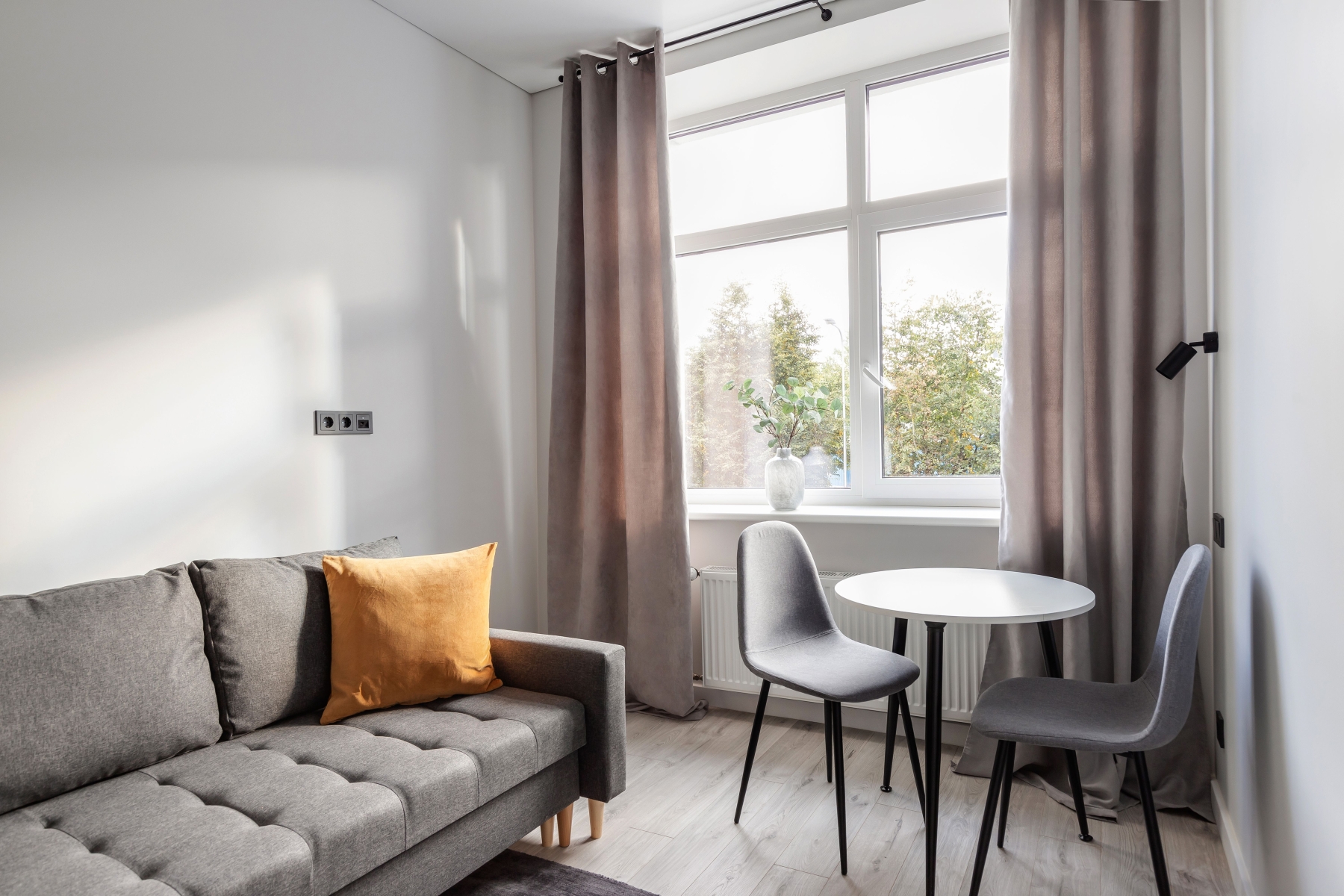
  2. All employees of the company shall be informed of the Rules in a signed form and thereby undertake to comply with the Rules and other legal acts establishing the requirements for processing of personal data.
  3. The employees of the company who violate the requirements of these Rules shall be held liable in accordance with the procedures established by law.


_________________________


Rules on video surveillance

This regulation on video surveillance defines the principles and procedure of personal data processing by UAB "Baltic Asset Management", and the terms and conditions governing the operation of the website www.youstonliving.com.

RULES ON VIDEO SURVEILLANCE AND VIDEO DATA PROCESSING

I.       GENERAL PROVISIONS

  1. The Rules on Video Surveillance and Video Data Processing (hereinafter referred to as the “Rules”) regulate and include the surveillance, recording and processing of video data (reviewing, storing, transferring, sharing, using), granting, revoking and amending the access rights and authorisations to process personal data, procedures for managing and responding to data security breaches, and rules for exercising the rights of Data Subjects and for handling their requests, as well as ensuring compliance with and implementation of the Law on Legal Protection of Personal Data of the Republic of Lithuania, the requirements of Regulation (EU) 2016/679 of the European Parliament and of the Council (hereinafter referred to as “GDPR”), and of other laws and regulations governing the processing and protection of personal data, as relates to the premises, the buildings and the outdoor territory of UAB Naujamiesčio NT (hereinafter referred to as the “Company”).
  2. These Rules have been prepared in accordance with the Law on Personal Data Protection of the Republic of Lithuania (hereinafter referred to as the “LPDP”), the GDPR and its implementing legal acts, the Order No 1T-71(1.12) of 12 November 2008 of the Director of the State Data Protection Inspectorate “On the Approval of the General Requirements for the Organisational and Technical Measures for Personal Data Security”, and other laws and regulations governing personal data processing and protection.
  3. For the purposes of these Rules:
    • “Data Controller” or “Joint Data Controllers” shall refer to UAB Baltic Asset Management, reg. No 304602224, Upės g. 21, Vilnius, email: info@balticam.lt, tel.: +37065261041.
    • “Data Subject” shall mean a natural person whose personal data is processed for the purposes specified in the Rules.
    • “Personal data” shall refer to any information relating to a Data Subject whose identity is known or can be established, directly or indirectly.
    • “Access to video recording equipment” shall mean access, either physical or by electronic means, enabling a person to modify, remove or update the components or software of the technical video equipment, to set the operating parameters of the video equipment, and to have access to any personal data collected in the course of video surveillance.
    • “Video Surveillance” shall refer to the processing of video data relating to a natural person by means of automated video surveillance tools (video cameras), regardless of whether the data is stored in any medium.
    • “Video Surveillance System” shall include servers and/or video data recorders, CCTV cameras and data storage media used to store video data.
    • “Video Data Recorders” shall mean digital devices contained in the Company’s asset register for capturing, recording, storing, viewing and copying video data.
    • Other terms used in the Rules shall be understood as defined in the LPDP, the GDPR and other applicable laws of the Republic of Lithuania.

II.     PURPOSE, SCOPE AND LEGAL BASIS OF VIDEO SURVEILLANCE

  1. The purpose of video surveillance is to provide a preventive security measure aimed at protecting the property and assets of the Company, its employees and customers, as well as ensuring public order and a safe environment. The legal basis for the video surveillance is the legitimate interest of the Joint Data Controllers (Article 6(1)(f) of the GDPR). Where damage to property or a person is identified, the Data Controllers are authorised to transfer this data to third parties in order to investigate and determine the origin of the damage.
  2. Video surveillance cameras are installed at Slucko str. 8 and Smolensko str. 12 in Vilnius.
  3. Video surveillance cameras are used to monitor the following:
    • Outdoor areas of all premises, including entrances, exits, on-site car parks and all other public spaces within the premises;
    • Internal communal areas of all premises, including corridors, building entrances and exits, communal kitchens and lounges;
    • Indoor and outdoor areas are subject to 24-hour video surveillance.
  4. Surveillance video data shall be recorded on a data storage device and stored on digital media for a maximum of 30 calendar days. Due to the limited capacity of the hard disk, the video recorder shall automatically delete the oldest video recordings and record the most recent video feed in the free storage space available. The employees responsible for the supervision of the video surveillance system, as specified in these Rules, shall ensure the continuity of the video data recording and shall maintain the system in good working order.

III.  PROCESSING OF VIDEO SURVEILLANCE RECORDINGS

  1. The Director of the Company and their authorised person, the administrators of the premises, and the employees of the security service (hereinafter referred to as the “employees responsible for the supervision of the video surveillance system”) shall have the authority to process all recorded video surveillance data and shall bear the responsibility for the organisation of video surveillance, the processing of the video surveillance data, its transfer to third parties and the protection of the video surveillance data in accordance with the provisions specified herein, unless the system is experiencing a technical failure or undergoing preventive maintenance work. The employees concerned, who shall have the right of access to the video data, have all signed a declaration of confidentiality and have undertaken to comply with the requirements established by the legislation on the protection of personal data.
  2. The employees responsible for the supervision of the video surveillance system must:
    • ensure that the video surveillance data is not used for purposes other than those defined in these Rules;
    • ensure that the video surveillance cameras are installed in such a way as to ensure that, given the stated purpose of the video surveillance specified herein, the video surveillance does not cover a larger area of the territory or premises than is necessary and does not collect more video data than is necessary;
    • comply with the key principles of video data processing and the confidentiality and security requirements set out in the LPDP, the GDPR, these Rules and other applicable legislation;
    • ensure that the video surveillance system is in good working order and that any technical faults in the system are rectified promptly, using all available technical resources;
    • take the necessary organisational and technical measures to ensure the security of personal data in order to prevent accidental or unlawful destruction, loss, alteration, disclosure or any other unauthorised processing of the video data;
    • safely store video data contained in the video data recorders and/or media;
    • not disclose, transmit or allow access by any means to the video data to any unauthorised persons;
    • ensure that information signs (CCTV signs) are displayed at the entrances, premises and territories of and around the Company’s building, where video surveillance is implemented, with the following information: “These premises and common areas are under CCTV surveillance for your safety (orig. Teritorija ir bendrojo naudojimo patalpos Jūsų saugumo tikslais stebimos vaizdo kameromis). Data Controller – UAB Baltic Asset Management, reg. No 304602224, Upės g. 21, Vilnius, email: info@balticam.lt, tel.: +37065261041.
    • ensure that the information signs are displayed and visible when entering the video surveillance area;
    • record the transfers of video surveillance data in the Video Surveillance Data Transfer Log;
    • ensure that the area monitored by the video surveillance cameras does not extend to the residential premises and/or private areas or entrances thereto, as well as to such premises where the Data Subject has a reasonable expectation of absolute privacy and where such monitoring would be degrading to their dignity;
  3. If the employees responsible for the supervision of the video surveillance system, or other employees of the Company, discover that the video surveillance data they are processing has been made available to persons who are not authorised to process the data (or attempts have been made to access it), they shall:
    • take all practicable measures immediately to terminate unauthorised access to the personal data being processed;
    • inform the employee responsible for the supervision of the video surveillance system and/or the Director of the Company immediately;
    • report the incident immediately to the responsible employee, who must then record the incident in accordance with the Company’s procedures.
  4. The access rights to the recorded video surveillance data shall be terminated upon the termination of the authorisation of the employee processing the video data, the termination of their employment relationship, or any change in the employee’s functions which do not necessitate such access to the video data.

IV.   PROVISION OF VIDEO DATA AND DATA RECIPIENTS

  1. In the cases and manner prescribed by law, the Company shall provide video surveillance data it processes to any law enforcement authorities and to other persons legally or contractually entitled to receive such data. Likewise, at the request of the data recipients in the event of at least one of the grounds for the lawful processing of personal data referred to in Article 6 of Regulation (EU) 2016/679 (GDPR). The request must specify the purpose of using the video data, the legal basis for its provision and receipt, and the scope of the video data requested.
  2. In the event of damage or unlawful conduct recorded on the premises, further investigation of these events may require the personal data to be transferred to the persons investigating the event, i.e. the Data Controllers’ employees, who are tasked with the duty of investigating the circumstances of the event. Such personal data shall be processed by the employees in compliance with the requirements provided for by law.
  3. The decision on the provision of video data shall be taken by the Director of the Company or a responsible person authorised by the Director.
  4. All employees have the right to access their video data with the consent of the Director. Such employees are obliged to comply with the requirements established by the legislation on the protection of personal data when exercising this right.

V.     ORGANISATIONAL AND TECHNICAL MEASURES FOR PERSONAL DATA SECURITY

  1. The following organisational and technical measures for personal data security have been implemented to ensure the security of video data:
    • access to live video surveillance is limited to those employees whose job functions necessitate the use of live video surveillance data;
    • only the employees responsible for the supervision of the video surveillance system, as specified in these Rules, shall be authorised to process the recorded video surveillance data;
    • access to video data is secured, managed and protected (with passwords);
    • personal data is protected against unauthorised access to the local area network through electronic communications;
    • the premises where the video data is stored are kept secure and the data storage devices are suitably protected (the data storage devices are kept in locked rooms/lockers, and unauthorised persons are restricted from entering such premises, etc.);
    • the computer equipment is protected against malicious software (the computer has anti-virus software, it is fully updated, etc.);
    • the fact that video surveillance is performed shall be displayed in all cases, regardless of whether some designated areas are not being monitored at certain times (e.g. a video surveillance camera is not in operation at all times or operates at fixed intervals, etc.).

VI.   RIGHTS AND OBLIGATIONS OF THE DATA SUBJECT

  1. The Data Subject has the following rights:
    • to know (be informed) about the processing of their personal data;
    • to access their personal data;
    • to request the erasure of their personal data (“the right to be forgotten”) if the video data is stored for longer than the retention period specified in these Rules, or to restrict the processing of their personal data;
    • to object to the processing of their personal data.


  1. The Data Subject’s right to know about the processing of their personal data shall be exercised as follows:
    • Any persons who are not employed by the Data Controller or the Data Processor and whose video data are processed in the course of video surveillance shall be informed of the ongoing video surveillance as follows:
      • By displaying information signs throughout the premises where video surveillance is in operation. The information signs must indicate that video surveillance is in operation, the legal names and registration numbers of the Joint Data Controllers, the contact telephone number of their representative, and the purpose of the video surveillance;
      • When signing lease agreements for premises or workspaces with individuals. The person is obliged to inform any visiting third parties of the video surveillance in operation.
    • The Data Controller’s employees shall be informed of the video surveillance in the workplace (if the workplace is located at the premises subject to video surveillance):
      • Either on approval of these Rules or on the first working day.


  1. The Data Subject’s right of access to their video data shall be exercised as follows:
    • A copy of the recorded surveillance video (if the recording is saved) may be issued only at the written request of the Data Subject or in accordance with the procedure established by the legislation (specifying the purpose of using the personal data, the legal basis for the provision and receipt of the personal data, and the scope of the personal data to be provided). Such a request shall be accompanied by a document identifying the person. If the request is sent by post or by courier, it shall be accompanied by a notarised copy of the Data Subject’s identity document. Where a representative of the person requests information on the person, they must provide proof of representation and their personal identification document.
    • In response to a request from a Data Subject concerning the processing of their personal data, following verification of the Data Subject’s identity, the Data Subject shall be provided with information as to whether or not personal data relating to them is being processed and shall be provided with the data requested (that is, the Data Subject shall be given the opportunity to view the video or be provided with a copy of the video or still image at their request).
    • As part of the exercise of the Data Subject’s right of access to their video data, the right to privacy of third parties must also be ensured, meaning that, if the video being accessed by the Data Subject shows other identifiable persons or any other information likely to violate the privacy of other persons, the images must be retouched or otherwise rendered so as to prevent the identification of any third parties.
    • Following a request for access to video data from a Data Subject, a reply as to whether or not the video data relating to the Data Subject is processed shall be provided in writing no later than 25 (twenty-five) days from the date of the request.
  2. The Data Subject’s right to object to the processing of their video data shall be exercised as follows:
    • The Data Subject’s right to object to the processing of their video data applies to the provision of the video data or to any other processing operation, such as the use of the video data, in accordance with Article 5(1)(5) and 5(1)(6) of the LPDP.
    • The Data Subject’s right to object to the processing of their video data shall be exercised prior to the processing of the video data, on the grounds referred to in Clause 19.2 herein, by informing the Data Subject in writing with the following information: the intention to process the video data (e.g., provision, use, etc.), indicating that the Data Subject has the right to object to such processing, explaining that the objection must have a legal basis and be expressed by means of a written notice to the Data Controller, whether in person, by post or by electronic means, and setting a reasonable time limit within which the Data Subject has the right to express their opinion.
  3. The Data Subject’s right to request the erasure of their personal data shall be exercised as follows:
    • If the Data Subject, having examined the processing of their personal data, establishes that their personal data are being processed unlawfully or unfairly and they or their authorised representative contact the Data Controller, the Data Controller shall immediately, and at the latest within five (5) working days, verify the lawfulness and fairness of the processing of the Data Subject’s personal data free of charge, and shall immediately erase the unlawfully and unfairly stored personal data or suspend the processing of such personal data, except for storage. Such personal data shall be kept until it is destroyed (at the request of the Data Subject or at the end of the retention period). Any further processing operations on such data may only be undertaken in the following cases:
      • For the purpose of proving the circumstances that led to the suspension of the processing;
      • Where the Data Subject, directly or through a representative, consents to further processing of their personal data;
      • Where necessary to protect the rights or legitimate interests of third parties.
  1. The Data Controller shall notify the Data Subject or their authorised person immediately, and no later than within 5 (five) working days, of the erasure or destruction of the personal data of the Data Subject or the suspension of the processing of the personal data at their request.
  2. The Data Controller shall have the right to refuse to exercise the Data Subject’s rights on the grounds stated in Article 23(2) of the LPDP.
  3. At the request of law enforcement authorities and other authorities to which the Company undertakes to provide personal data in accordance with the procedure established by law, the recorded video (or a copy thereof) may be released without the consent of the persons recorded in the video.
  4. In order to protect the personal data and interests of the Company’s customers, third parties shall be allowed to take photographs, video or audio recordings within the premises and territory of all service stations only if they request and receive prior permission from the Company’s management, stating the reason for the request and the legal grounds for the filming, photographing and/or audio recording.
  5. The decision to allow photography, videography or audio recording on the premises and in the territory shall be taken by the Director of the Company or the responsible person authorised by the Director.

VII. FINAL PROVISIONS

  1. These Rules are available on the Company’s website www.youstonliving.com and the information boards at the premises subject to video surveillance.
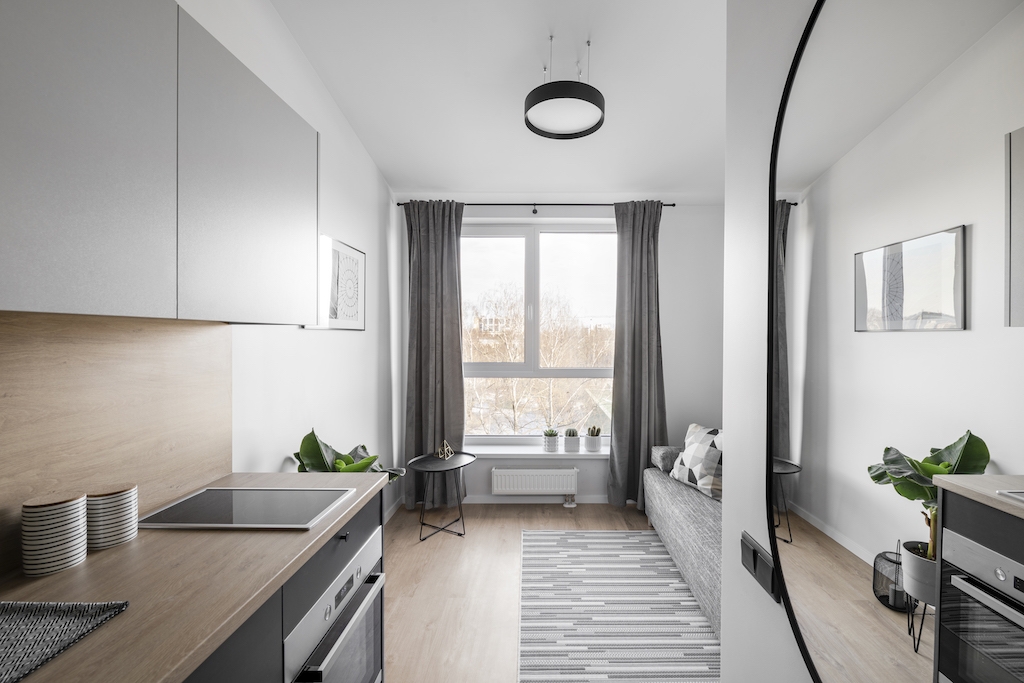
  2. All employees of the Company shall be informed of the Rules and required to sign them, thereby agreeing to comply with them and with other legal acts governing the processing of personal data.
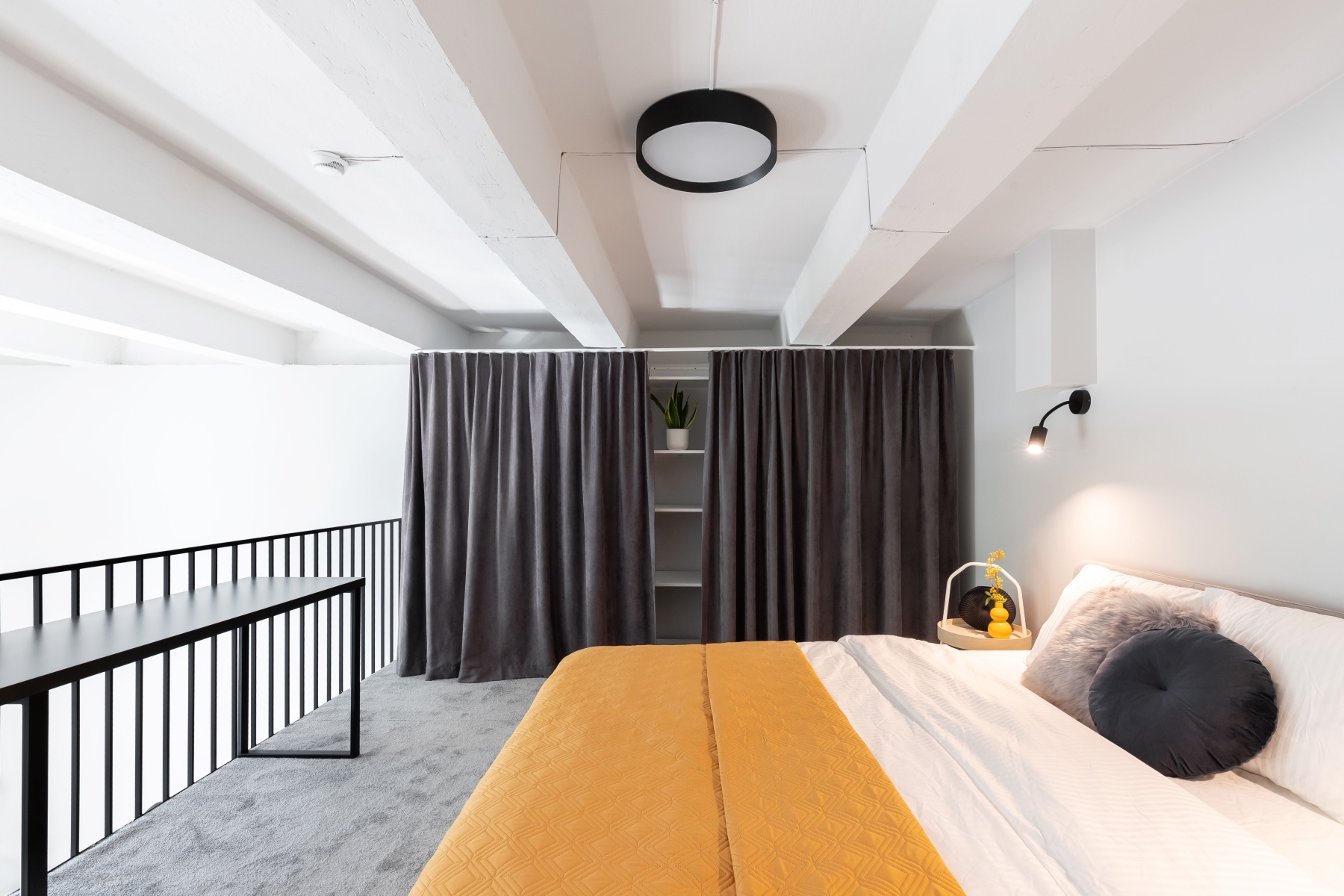
  3. The Company’s employees in breach of the requirements of these Rules shall be liable in accordance with the procedures established by law.


_________________________


WhatsApp Chat

Contact us on
WhatsApp

Send message